Breakpoints

No Retina
Retina
XS Screen (480px)
SM+ Screen
SM Screen (768px)
SM- Screen
MD+ Screen
MD Screen (992px)
MD- Screen
LG+ Screen
LG Screen (1200px)
LG- Screen
XL+ Screen (1600px)

Masters Welcomes Coaches with a Complementary Membership
By Lauren Beckos
June, 8 2023
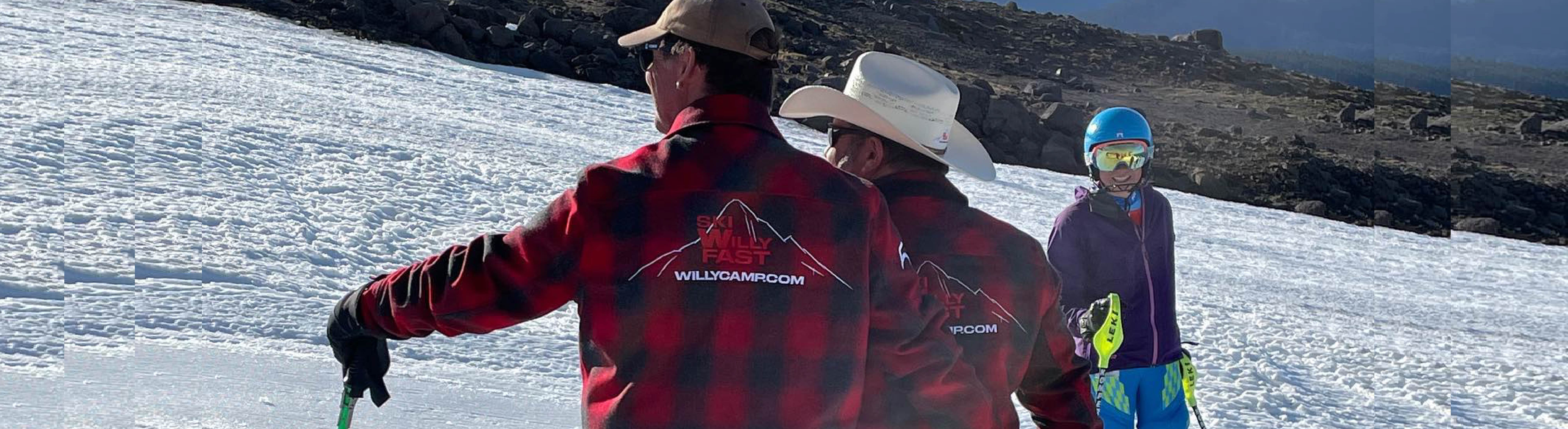
Willy Camp Coaches at the Masters Summer Fun Nationals Race on Mt. Hood

All U.S. Ski & Snowboard Alpine Coaches can add a complementary Alpine Master membership to their cart when they renew their membership or contact member services to have it added. Thank you for your hard work and dedication in your sport! We hope you will check out the Masters schedules and events and join us for a race.

There are many benefits to participating in a masters race as a coach:

  • Participation in one masters race earns you 2 continuing education credits. This can be used once every two years. Submit using the continuing education request form after the race. See the framework instructions for more information about continuing ed credits that you are required to get to maintain a current coach's certification.
  • Practice what you preach. Doing what you teach your athletes gives you insights that you don't get from the sidelines. It is informative, valuable, and makes you a better coach.
  • It’s YOU time! Have fun! Remember how exhilarating it is to feel the speed, rhythm, and adrenaline of a ski race. Reconnect with why you first fell in the love with alpine ski racing.
  • Set a course and then get to race it! Contact the masters event organizer to see if a course-setter is needed if you would like to set. (The masters course-setting matrix is available here.)
  • No special gear needed besides a FIS-legal helmet! Masters do not have ski requirements. Throw down on those cheater GS skis or any other skis you've got in your quiver that you love!

Masters racing provides opportunities for adults of all ages and abilities to compete against their peers in alpine ski races across the United States. Masters is a multi-generational, passionate, fun-loving group. Come for the races, stay for the life-long friendships and love of the sport.

For more information about the Masters group in your area:

Division    Website
Central Division    midwestmasters.org
Eastern Division (New England)    nemsracing.org
Eastern Division (Mid-Atlantic)    mamasters.org
Eastern Division (Southern)    saraski.org
 Far West    farwestmasters.org 
Intermountain/Northern    intermountainmasters.org 
Pacific Northwest    pnwdivision.org/masters 
 Rocky    rmmskiracing.org  


For more information regarding the Masters program please visit usskiandsnowboard.org/masters.

Sustainability

U.S. Ski & Snowboard, a national and global leader in snow sports, is committed to addressing climate change and stewarding sustainability of winter sports. Millions globally are inspired by winter sports and enjoy healthy, active lifestyles in winter environments. Climate change threatens our winter environments with receding glaciers, rising sea levels, volatile weather cycles and less snowfall.

New "On The Edge: World Cup Ski Racing" After Show, Streaming on YouTube and Team USA TV

By Sierra Ryder - Stifel U.S. Ski Team
June, 23 2026
RCS on the Olympic podium in Milano Cortina.
Ryan Cochran-Siegle of Team USA celebrates his medal at the Olympic Winter Games in Milano Cortina. (Getty Images)

Team USA will premiere the official after-show companion episode to On The Edge: World Cup Ski Racing, the five-episode ESPN Original Series that followed the world's elite alpine ski racers through the 2025-26 season and 2026 Winter Olympics in Milano Cortina, on June 23, Olympic & Paralympic Day. The episode will air on Team USA TV and Team USA’s YouTube channel and will feature exclusive behind-the-scenes interviews with key athletes from the docuseries. 

On The Edge: World Cup Ski Racing was directed by Emmy Award-winning filmmaker Pat Dimon, produced by Bright North USA and the International Ski & Snowboard Federation in partnership with Stifel U.S. Ski Team and Team USA.

The after show consists of multiple conversations with Stifel U.S. Alpine Ski Team athletes, including Olympic downhill gold medalist Breezy Johnson, two-time Olympic super-G silver medalist Ryan Cochran-Siegle and two-time World Cup winner Bryce Bennett, each reflecting on what it was like to have their stories told on a global stage. Emmy Award-winning director Pat Dimon, who directed the series, hosts the after-show, which pairs athlete interviews with b-roll footage from the Games and the documentary itself, offering fans a rare glimpse into what goes into capturing elite ski racing on film and why the stories behind the speed matter. 

Team USA TV will re-air all five episodes of On The Edge at 8 p.m. ET nightly through June 27, each followed by the after-show.

HOW TO WATCH 
The full after-show will also be available on Team USA’s YouTube channel.

  • Tuesday, June 23, 8:00 p.m. – On The Edge, Episode 1 + After Show – teamusa.com/tv 

  • Wednesday, June 24, 8:00 p.m. – On The Edge, Episode 2 + After Show – teamusa.com/tv

  • Thursday, June 25, 8:00 p.m. – On The Edge, Episode 3 + After Show – teamusa.com/tv 

  • Friday, June 26, 8:00 p.m. – On The Edge, Episode 4 + After Show – teamusa.com/tv 

  • Saturday, June 27, 8:00 p.m. – On The Edge, Episode 5 + After Show – teamusa.com/tv 

U.S. Ski & Snowboard Announces 2026-27 FIS Domestic World Cup Schedule

By Sierra Ryder
June, 17 2026
fans
Fans cheer on their favorite skiers at the 2025 Stifel Copper Cup. (U.S. Ski & Snowboard)

U.S. Ski & Snowboard is proud to announce a record 13 domestic FIS World Cup events for the 2026-27 season, the most domestic events held in U.S. Ski & Snowboard history. The world’s best athletes in alpine, freeski, freestyle, Para snowboard, ski jumping and snowboard will compete across 10 venues. 

The season kicks off over Thanksgiving weekend with the highly anticipated Stifel Killington Cup making its return to Vermont after a brief hiatus, with women’s tech races on the schedule. During the same weekend, Copper Mountain will welcome the men’s tech circuit for the Stifel Copper Cup. 

The domestic calendar continues at full speed through December, with long-standing snowboard and freeski events, including two Toyota U.S. Grand Prix events in Colorado and both men’s and women’s alpine races at Beaver Creek for the Stifel Birds of Prey. After the new year, Lake Placid, Steamboat, Waterville Valley, Aspen Snowmass and Deer Valley will host freeski, freestyle, Para snowboard, ski jumping and snowboard events, before the domestic World Cup tour concludes with the Stifel Sun Valley Finals presented by Cloudflare in Sun Valley, Idaho.

“This will be a very exciting season for our athletes and fans and we’re looking forward to hosting an historic number of World Cups on home snow,” said U.S. Ski & Snowboard President and CEO Sophie Goldschmidt. “With 13 events across the country, our athletes will have incredible opportunities to compete in front of family, friends and passionate fans, while the communities, resorts and partners who put so much work into these events will again see the impact that these World Cups have on the future of our sport.”

Alpine  

The 2026-27 Audi FIS Alpine World Cup season will include five events this season, all part of the Stifel U.S. Ski Series. It kicks off with a Thanksgiving weekend doubleheader in the United States. The men open the season with the Stifel Copper Cup at Copper Mountain, Colorado with a super-G and giant slalom, while the women return to the fan-favorite Stifel Killington Cup for a giant slalom and slalom, where nearly 40,000 people historically attend.  

The momentum continues over the next two weekends with the return of the iconic Stifel Birds of Prey races in Beaver Creek, Colorado; the broadcast will be presented by U.S. Ski & Snowboard partner United Airlines. The men will take on one of the most legendary tracks on the World Cup circuit across four races — an expanded schedule featuring two downhills, a super-G and a giant slalom. The women will then make their highly anticipated return to the Stifel Birds of Prey for the second time, opening their speed season on home snow in the U.S. with two downhills and a super-G.

The World Cup action in the United States concludes at the Stifel Sun Valley Finals presented by Cloudflare in Sun Valley, Idaho, which wraps up the alpine season with the world’s top 25 best male and female athletes in each discipline. It will be the second time Sun Valley has hosted the FIS World Cup Finals in three seasons. 

Snowboard & Freeski 

The Stifel U.S. Freeski Team, Hydro Flask U.S. Snowboard Team and World Cup field will compete in the Toyota U.S. Grand Prix circuit across multiple premier venues in Colorado. Copper Mountain starts the series with halfpipe, with an additional venue to be confirmed for slopestyle.

The domestic tour wraps in late February at Aspen Snowmass’ renowned Buttermilk venue, this time featuring both slopestyle and halfpipe competition. 

Freestyle 

Three iconic freestyle venues — Lake Placid, Waterville and Deer Valley — will return to the calendar to host FIS World Cups and welcome the Stifel U.S. Freestyle Ski Team athletes back to home snow. 

The Lake Placid Freestyle Cup will feature two aerials World Cups, an individual and team aerials, while the Waterville Freestyle Cup presented by Stifel will house moguls and dual moguls events. The North American tour will wrap up at Deer Valley Resort for the Freestyle International presented by Stifel for moguls, aerials and dual moguls, known for its enormous crowds and exciting night events. 

Ski Jumping

The world’s top ski jumpers will return to Lake Placid, NY, for the Stifel Lake Placid Ski Jumping Cup, featuring individual competitions on the HS128 hill as well as a mixed team event. The event marks the third visit to the historic Olympic venue. 

Para Snowboard

The FIS Para Snowboard World Cup circuit will head west to Steamboat Springs for the Toyota Para Snowboard Cup, the third year in a row that Steamboat will host a Para snowboard World Cup after a long drought of U.S.-based events. 

2026-27 U.S. World Cup Schedule*

Alpine
Nov. 28-29, 2026 – Stifel Copper Cup, Copper Mountain, CO – men’s super-G, giant slalom
Nov. 28-29, 2026 – Stifel Killington Cup, Killington, VT – women’s giant slalom, slalom
Dec. 3-6, 2026 – Stifel Birds of Prey, Beaver Creek, CO - men’s downhill, super-G, giant slalom
Dec. 11-13, 2026 – Stifel Birds of Prey, Beaver Creek, CO - women’s downhill, downhill, super-G 
March 20-25, 2027 – Stifel Sun Valley Finals presented by Cloudflare, Sun Valley, ID - men’s & women’s downhill, super-G, giant slalom, slalom 

Freestyle
Jan. 16 - 17, 2027 - Lake Placid Freestyle Cup, Lake Placid, NY - men and women aerials and team event
Jan. 22-23, 2027 – Waterville Freestyle Cup presented by Stifel, Waterville Valley, NH - moguls, dual moguls
Jan. 28-30, 2027 – Freestyle International presented by Stifel, Deer Valley, UT – moguls, dual moguls, aerials

Snowboard / Freeski
Dec. 10-12, 2026 – Toyota U.S. Grand Prix, TBD – slopestyle
Dec. 19-20, 2026 – Toyota U.S. Grand Prix, Copper Mountain, CO – halfpipe
Feb. 27-28, 2027 – Toyota U.S. Grand Prix, Aspen Snowmass, CO – slopestyle, halfpipe

Ski Jumping
Feb. 6-7, 2027 – Stifel Lake Placid Ski Jumping Cup, Lake Placid, NY – individual HS 128, combined team event

Para Snowboard
March TBC, 2027 – Toyota Para Snowboard Cup, Steamboat, CO – banked slalom

QUOTES

Sarah Franke, Senior Vice President of Operations, Vail Valley Foundation 
"Stifel Birds of Prey has always been a special event for our athletes and fans, but what we're building for December 2026 takes it to a new level. For the first time in the festival's history, we'll host seven World Cup races across two full weekends of men's and women's racing. Our U.S. athletes will have their home crowd behind them across both weekends, and the energy in Beaver Creek is going to be extraordinary."

Kevin Kirksey, Vice President of Marketing, Deer Valley
“We’re proud to welcome back the world’s top moguls and aerials athletes to Deer Valley for the 2027 Freestyle International presented by Stifel. This year marks Deer Valley Resort’s 30th year hosting elite international ski competitions, building on a legacy that includes serving as a venue for the 2002 Olympic Winter Games and the future freestyle moguls and aerials venue for the 2034 Olympic Winter Games. We’re looking forward to once again hosting fans and the community at Deer Valley Jan. 28 through 30, 2027 for three days of world-class competition at our renowned freestyle venue.”

Dustin Lyman, President & General Manager, Copper Mountain 
Copper Mountain has long been a trusted home for elite competition, and we’re proud to continue that legacy by hosting two World Cup events during the upcoming winter in partnership with U.S. Ski & Snowboard. From World Cup alpine racing to another season of halfpipe competition, these events showcase the world-class venues, training environment and operational expertise that define Copper as the Athlete’s Mountain. Following the tremendous success of the 2025 Stifel Copper Cup presented by United Airlines, we’re excited to welcome the men back for another year and continue building on the momentum and energy it brings to our community and athletes alike.”

Bobby Murphy, COO, Beaver Creek 
“This is an incredibly exciting moment for Birds of Prey. The addition of a third women’s race, alongside four men’s races, will make the 2026 event the biggest and most dynamic in our history. Hosting seven World Cup races across two weekends on one of the sport’s most iconic courses speaks to Beaver Creek’s legacy as a premier venue for alpine racing and our shared commitment to growing the sport at the highest level. Expanding the women’s program in particular reflects meaningful momentum for the future of racing, and we’re thrilled to welcome the world’s best athletes and fans for what promises to be an unforgettable World Cup experience.”

Darcy Norfolk Rowe, Director of Communications/Public Information Officer, Olympic Regional Development Authority
“Lake Placid continues to play an important role on the international winter sports calendar, and we are proud to welcome athletes from around the world back to the Olympic Region for the 2026-27 season. These events provide world-class opportunities for athletes to train and compete on some of the most historic and technically demanding venues in the sport. Building on our strong momentum in recent years, we look forward to continuing to support the progression of winter sport competition at the highest level in Lake Placid.”

John Rigney, Chief Business Development Officer, Aspen One
“The Toyota U.S. Grand Prix is an iconic event, indeed a highlight of our winter sports programming. Buttermilk’s reputation for hosting world-class freeskiing and snowboarding competitions is unmatched, and the athletes and their fans deserve a stage where they can compete at the highest level. We’re honored to continue that legacy in 2027.” 

Tim Smith, President and General Manager, Waterville Valley Resort 
“We’re proud to once again host the world’s top moguls athletes here at the Birthplace of Freestyle Skiing. Supporting this event year after year reflects Waterville Valley’s long-standing commitment to the sport and its athletes. We look forward to welcoming the community to cheer on these incredible competitors as they showcase their talent on one of freestyle skiing’s most iconic stages.”

Mike Solimano, President and CEO, Killington Resort 
“We’re thrilled to welcome the Stifel Killington Cup back to Superstar this Thanksgiving weekend. With the new Superstar Six chairlift in place and more than 100 new snowguns covering the trail from top to bottom, we’re excited to showcase a new chapter for one of the most iconic ski racing venues in the U.S. That level of snowmaking power is a major part of what gives us the ability to host a world-class race this early in the season. Add in the support of the Killington community, Vermont, and the broader New England ski racing community, and it’s easy to see why this is one of the most special stops on the Audi FIS Ski World Cup tour.”

Pete Sonntag, Chief Operating Officer, Sun Valley Resort 
“Welcoming the World Cup Finals back to Sun Valley is both a tremendous honor and a testament to the dedication of our team, the vision of our owners, and the support of the community. The 2025 Stifel Sun Valley Finals proved that North American resorts can deliver a world-class racing experience with unmatched spirit and hospitality, and we’re excited for the opportunity to represent again in 2027.” 

###

About U.S. Ski & Snowboard
U.S. Ski & Snowboard is the Olympic and Paralympic National Governing Body of ski and snowboard sports in the USA, based in Park City, Utah. Started in 1905, the organization now represents nearly 240 elite skiers and snowboarders competing on 11 teams, including the Stifel U.S. Ski Team: alpine, cross country, freestyle moguls, freestyle aerials, freeski, nordic combined, Para alpine, Para nordic and ski jumping, the Toyota U.S. Para Snowboard Team and Hydro Flask U.S. Snowboard Team. In addition to the elite teams, U.S. Ski & Snowboard also provides leadership and direction for tens of thousands of young skiers and snowboarders across the USA, encouraging and supporting them in achieving excellence. By empowering national teams, clubs, coaches, parents, officials, volunteers and fans, U.S. Ski & Snowboard is committed to the progression of its sports, athlete success and the value of team. For more information, visit usskiandsnowboard.org.

Moguls Staffing Update Ahead of the 2026-27 Season

By Ryan Odeja - Stifel U.S. Ski Team
June, 15 2026
Rob Kober coaching an athlete

The Stifel U.S. Freestyle Ski Team moguls team has announced key staffing changes ahead of the 2026-27 season. 

Bryon Wilson has announced his retirement from moguls coaching after serving as the team’s head coach for the last four seasons, and leading them to four Nations Cups, four World Championship medals and four Olympic medals. 

Taking over the head coaching position for the Stifel U.S. Freestyle Ski Team moguls team is Rob Kober, hailing from Canada. Kober led the Canadian Men’s Moguls Team for over 15 years, and helped them find success time and time again, including four Olympic medals, 17 World Championship podiums and countless World Cup wins. His impressive resume on the snow helped him earn the prestigious Jack Donohue Coach of the Year Award presented by the Coaching Association of Canada. Beyond his 20+ years of coaching experience, Kober has earned degrees in Adolescent Studies and High Performance coaching, building a strong foundation in fostering athlete relationships, developing specialized programs and strong leadership. 

In addition to hiring a new head coach, the staffing structure is expanding to include a new development coaching position. Chuck Martin will take the helm of the Moguls National Development Group, which brings together the next generation of moguls athletes from around the country to help bridge the gap between clubs and the U.S. team. Martin comes from Winter Park, where he served as the Head FIS Moguls Coach for the Winter Park Competition Center for the last three seasons. Martin has coached for 39 years after transitioning from his professional skiing career. During his time on the U.S. team, Martin earned one World Cup win, eight podiums, a World Championship bronze medal, and was named to the 1992 Olympic Team. In this new position, he will focus on building the up-and-coming moguls athletes to strengthen our pipeline across the country. 

"Bryon Wilson has had a tremendous impact on our moguls program over the last four seasons; under his leadership, the team achieved remarkable success," said Matt Gnoza, U.S. Ski & Snowboard Freestyle Sport Director. "Beyond the results, Wilson helped foster a team atmosphere that will continue to lead our program for years to come. We are incredibly grateful for his dedication and wish him all the best in his next chapter.

As we look to the future, we're excited to welcome Rob Kober as our new head coach. Rob brings an exceptional track record of success at the highest levels of our sport, along with a deep commitment to athlete development and team culture. His experience, leadership and vision make him an outstanding fit to lead our moguls program into the next Olympic cycle.

We are equally excited to add Chuck Martin to a newly created coaching role within the Moguls National Development Group. Chuck's experience as both an elite athlete and coach gives him a unique perspective that will be invaluable as we strengthen our athlete pipeline. The creation of the National Development Group reflects our commitment to building long-term success by providing greater support and opportunities for the next generation of U.S. moguls athletes. Together, these additions position us well for continued success both today and in the years ahead."

The team’s performance in the 2025-26 season was nothing short of incredible, earning the Nations Cup, securing four Olympic medals and 18 World Cup podiums despite a shortened season. These achievements will set the standard heading into a World Championship year.

Dr. Hackett, Dr. Cooper Retire from U.S. Ski & Snowboard; New Medical Staff Announced

By Sierra Ryder
June, 12 2026
mtn
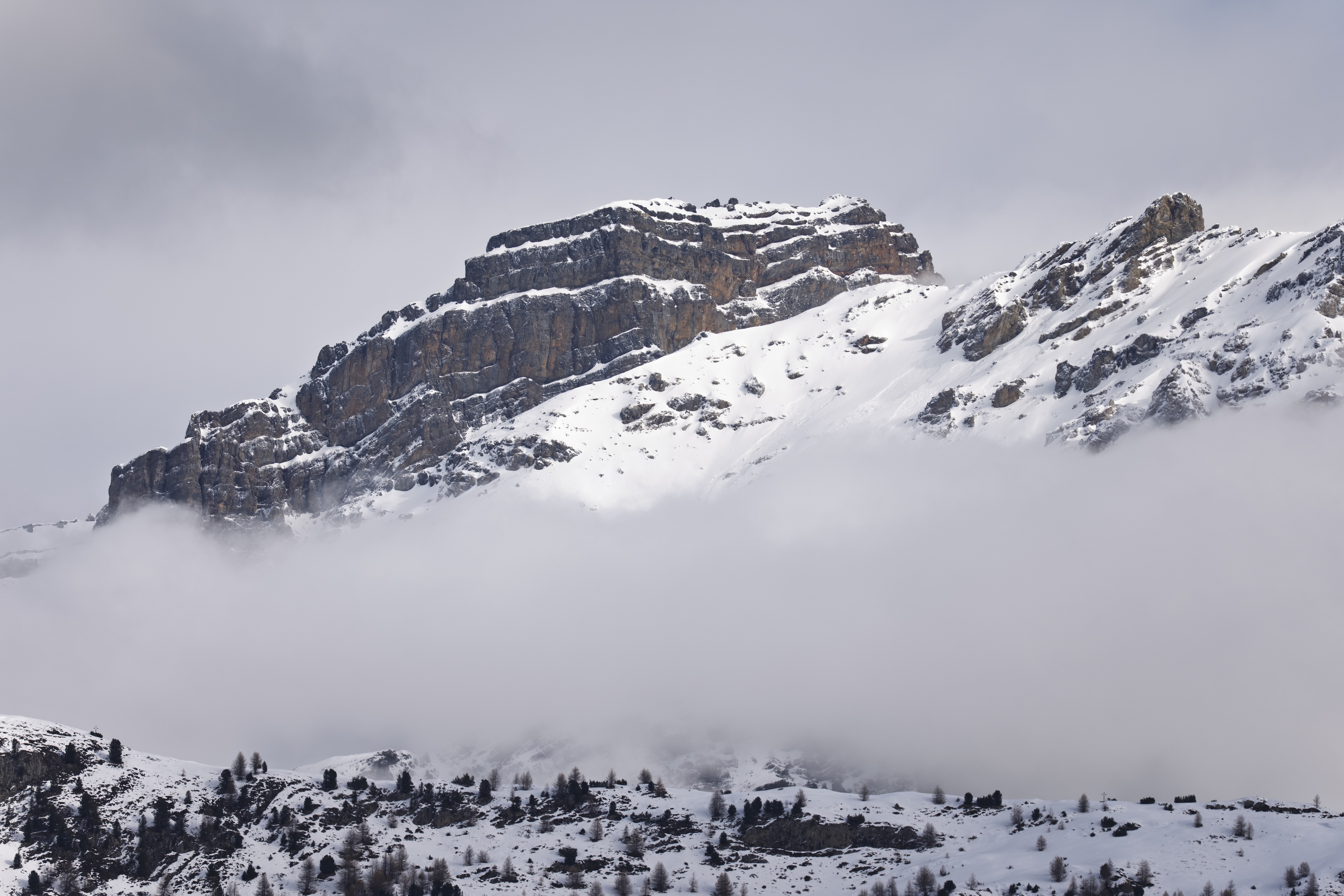
Mountain scenery in Italy. (U.S. Ski & Snowboard)

U.S. Ski & Snowboard recognizes key medical staff retirements and welcomes new additions as the organization enters the 2026-27 season.

After two decades of service to the U.S. Ski & Snowboard and its athletes, Dr. Tom Hackett will step away from his longtime role as Head Team Physician for the Hydro Flask U.S. Snowboard Team. His leadership and expertise have been instrumental in supporting generations of athletes on the World Cup and Olympic stages.

Just after the 2026 Olympic Winter Games, Dr. Hackett received U.S. Ski & Snowboard’s prestigious Julius Blegen Award, recognizing his exceptional service and commitment to athlete care. Throughout more than two decades with U.S. Ski & Snowboard, Dr. Hackett volunteered his expertise at training camps, World Cup events and multiple Olympic Winter Games across multiple sports. Widely regarded as one of the top orthopedic surgeons in sports medicine, he has treated and operated on countless elite athletes, helping preserve and extend careers at the highest level of competition.

“Dr. Hackett has been a trusted leader and invaluable part of our medical team for more than two decades,” said Senior Director of Medical Operations Robyn Hase. “His expertise and unwavering commitment to athlete care have made a lasting impact on generations of athletes and staff. We are deeply grateful for everything he has given to the organization.” 

Though leaving his position, Dr. Hackett will remain actively engaged in the organization, leading the U.S. Ski & Snowboard Medical Council.  

Longtime physician Dr. Andrew Cooper, an orthopedic surgeon in the Salt Lake City, Utah valley, will also step away from the organization after more than 12 years of service. During his tenure, he served as Head Team Physician for the Stifel U.S. Freeski Team, traveling globally to care for elite freeskiers while also serving as a team physician during multiple Olympic Winter Games, World Championships, X Games and World Cups. His commitment to athlete care and performance has left a lasting impact across the organization.

“Dr. Cooper’s dedication and passion for supporting our athletes have been instrumental to the success of our teams over the years,” said Hase. “His professionalism and commitment to excellence have earned the respect of athletes and colleagues alike. We thank him for his tremendous contributions to the organization.” 

The organization will welcome two new physicians to support the Hydro Flask U.S. Snowboard Team: Dr. Adam Wilson and Dr. Joseph Ruzbarsky. Dr. Wilson, an orthopedic surgeon based in Steamboat Springs, Colorado, will take over Dr. Hackett’s role as the Head Team Physician for snowboard. He began working with U.S. Ski & Snowboard in 2016 during his Sports Medicine Fellowship in Taos, New Mexico and has since traveled extensively with the snowboard team both domestically and internationally. Dr. Ruzbarsky will support Dr. Wilson as the assistant snowboard team physician, traveling to competitions and navigating athletes’ medical needs. Dr. Ruzbarsky is a board-certified orthopedic surgeon with subspecialty certification in Orthopedic Sports Medicine, currently practicing at The Steadman Clinic in Aspen, Colorado.

“We are excited to welcome Dr. Wilson and Dr. Ruzbarsky to our medical team,” said Hase. “Their experience working with elite athletes and dedication to athlete health and performance make them great additions as we look ahead to the 2026-27 season.”

Logan Grosdidier is On the Rise

By Sierra Ryder - Stifel U.S. Ski Team
June, 10 2026
logan
Logan Grosdidier is 'On the Rise.' (U.S. Ski & Snowboard)

Logan Grosdidier is On the Rise 

Stifel U.S. Alpine Ski Team’s Logan Grosdidier is “On the Rise.” Grosdidier is one of the youngest alpine skiers on the team and is showing no signs of slowing down. In her rookie season on the national team, Grosdidier made her World Cup debut, won a NorAm Cup super-G title and earned a World Juniors silver medal.

Originally from Wenatchee, Washington, Grosdidier credits her ski racing development to the local mountain, Mission Ridge, where she first developed a love for the sport while chasing her siblings around. She later honed her skills at the Steamboat Springs Winter Sports Club and now trains year-round with the Stifel U.S. Alpine Ski Team. In her first season racing at the FIS level, she exceeded her own expectations by landing multiple NorAm podiums, an impressive feat for such a young racer, and soon after this initial success, she was named to the Stifel U.S. Alpine Ski Team. Her sister, Tatum Grosdidier, is also on the national team. 

Grosdidier is looking to build on that momentum heading into the upcoming season and focus solely on the World Cup.

U.S. Ski & Snowboard’s “On the Rise” series, presented by Zions Bank, highlights athletes throughout the season. Through community service, sponsorships and charitable donations, Zions Bank is committed to fueling economic growth and enhancing the quality of life in Idaho, Utah and Wyoming.

What initially drew you to this sport?
My older sisters initially drew me into the sport. I wouldn't be where I am today if I hadn't followed in their footsteps and looked up to them throughout my life. Watching them ski inspired me to get involved and they helped create my passion for the sport from a very young age.

When you were younger and getting into the sport, what were your goals?
When I was younger, I never had any long-term goals in the sport. I mainly wanted to ski because I enjoyed it and got to spend time with my friends. However, I've always been a very competitive person. Whether it was skiing, soccer, or any activity that involved competition, I always wanted to win.

What is your biggest accomplishment?
My biggest accomplishment in alpine skiing is finishing second in the NorAm Cup overall standings this past season. It was a result greatly impacted by the support of the people around me.

What is your ultimate goal?
My ultimate goal is to become the best version of myself within the sport and to compete consistently on the World Cup circuit. I know I still have a long way to go before I reach my full potential, so my goal is to continue developing as an athlete, compete to my best ability and eventually establish myself among the top ski racers in the world. More than anything, I want to look back on my career knowing I made the most of every opportunity.

Who are your heroes?
My heroes are my older sisters. They've guided me through many of the decisions I've made in my life, both in and outside of skiing. Their support, advice and examples have played a huge role in who I am today.

You win $5,000 in prize money: what do you do with it?
I would most likely give the $5,000 prize money to my parents. They have been my number-one supporters throughout my career and have sacrificed so much to help me pursue my dreams. 

Do you have a budget or follow a spending structure?
I wouldn't say I follow a strict spending structure yet, since I'm not earning a consistent income right now, so I mostly try to be mindful of what I spend my money on. 

What's one money habit you follow?
One money habit I follow is thinking carefully before making a purchase. I try to avoid buying things on impulse and ask myself whether I actually need them before spending money.

Follow Logan and her journey here

Four U.S. Ski & Snowboard Athletes Make TIME's Inaugural 100 Most Influential People in Sports

By Leann Bentley - Stifel U.S. Ski Team
June, 9 2026
time100

TIME announced a list recognizing the 100 most influential figures shaping the global landscape of sports. Four athletes from U.S. Ski & Snowboard earned a place on the list, including Mikaela Shiffrin, Lindsey Vonn, Jessie Diggins and Oksana Masters. In the first list of its kind from TIME, athletes from across the entire sports landscape were recognized, including legends like Lionel Messi, LeBron James, Shohei Ohtani, Jannik Sinner and many more. 

Stifel U.S. Alpine Ski Team athlete Shiffrin, who was named to TIME 100’s Most Influential People list in 2023, is the winningest skier of all time and showed the world how to meet the moment when she captured Olympic gold in the slalom – her fourth Olympic medal – in Milano Cortina 2026. Shiffrin won the race by 1.5 seconds, the largest margin in any alpine slalom race since 1998. Throughout her storied career, Shiffrin has reset nearly every record in the sport. Four Olympic medals, including three golds and one silver, 15 World Championship medals, 18 overall FIS Crystal Globes, 110 World Cup wins, 121 World Cup podiums, and the status as the greatest alpine skier of all time.

“It’s an incredible honor to be recognized by TIME on their TIME100 list as an Icon in Sports alongside so many inspiring people,” said Shiffrin, in an Instagram post. “To be honest, recognition like this always feels a little surreal. Even after all these years, there’s still a part of me that wonders, ‘Is this real?’”

For Vonn, the recognition comes after a year many would call one of the most remarkable comebacks in sports. At 41, the Stifel U.S. Ski Team athlete went into her fifth Olympic Games following a remarkable return from retirement that included eight podiums and a lead in the World Cup downhill standings heading into Milano Cortina. Nine days before the Olympic downhill, a crash at the Crans Montana World Cup left her with a torn ACL, but she refused to give up on her Olympic dream and made her return to the women's downhill. Seconds into the race, she crashed. Yet the story of Vonn is not measured by results; it is measured by what it means to keep showing up. 

“Honored to be named in the 2026 TIME100 Sports List!!” said Vonn in an Instagram post. “To be recognized alongside so many incredible athletes is truly humbling… Congratulations to everyone included. What an inspiring group of people to share this moment with. This past year has reminded me why I love this sport. Returning to the top of my sport and chasing a dream that so many thought was impossible has been one of the most rewarding experiences of my life.”

Jessie Diggins is the most decorated cross country skier in American history and officially retired at the end of the 2025-26 season with four Olympic medals – including the sport’s first Olympic gold, won alongside her teammate Kikkan Randall at the 2018 PeyongChang Olympic Winter Games –  four overall World Cup titles, 90 World Cup podiums, 30 World Cup wins, eight World Championship podiums and the most World Cup starts of any cross country skier in history. The Stifel U.S. Cross Country Ski Team alumna’s inclusion on the TIME100 sports list is a fitting capstone to a career that elevated the sport to the masses, normalized the conversation about mental health in elite sport and reinforced the belief that there is always more to race for than a number on a results sheet. 

"So very honored and humbled to be listed as a leader in TIME 100 Sports alongside such incredible athletes," said Diggins. "I have had the gift of so many amazing role models throughout my life, and to be named alongside some of them is an honor that I don’t take lightly."

The most decorated Paralympic athlete of all time, Oksana Masters has won 24 Paralympic medals, competing for the U.S. across cross country skiing, biathlon, cycling and rowing at both the Winter and Summer Paralympic Games. Masters was born in Ukraine with birth defects suspected to be caused by radiation poisoning from the Chornobyl disaster and at age 14, both of her legs were amputated. She was adopted at age seven and moved to the U.S. from Ukraine. She began with rowing, winning her first bronze medal at the 2012 Paralympic Winter Games in London. Then, she won two medals in the 2014 Games in Sochi in cross country skiing. In PyeongChang 2018, Masters won her first gold in the cross country 1.5k sprint and five medals in total. Next, cycling. She claimed gold at the 2020 Paralympics in Tokyo. In the 2022 Beijing Games, she became the first American to win seven medals in one single Games. At the Paris Paralympic Games, she won two gold medals; in Milano Cortina, she won three. 

“Being recognized by TIME as a TIME 100 Sports Honoree is an incredible honor – not just because of the company I’m standing alongside,” said Oksana, in an Instagram post. “This list includes some of the most iconic athletes, pioneers, and voices in sport and broadcasting. To be mentioned among them is something I never could have imagined.”

Read the full list and how athletes were nominated here. TIME will host the first-ever TIME100 Sports Gala on July 16 in New York City. 

Michel Rudigoz: A Lifetime of Lessons and Love

By Tom Kelly
June, 9 2026
Michel Rodigoz

The mood in the Olympic Bar at Michel’s Christiania was reflective. In a place steeped in ski racing history, where skis and photographs of hometown legends like Picabo Street and Christin Cooper line the walls, friends, family, athletes and longtime patrons raised glasses to its namesake, Michel Rudigoz. A Frenchman by birth and beloved son of Sun Valley by choice, Rudigoz was one of the most influential coaches in U.S. Ski Team history. He passed away on May 29 at the age of 81.

Rudigoz helped bring culture, discipline and belief to the U.S. Ski Team, empowering his athletes to know they could compete against the best in Europe. He built a team founded on trust and shared purpose, where every coach, technician and athlete understood their responsibility and their value. His women’s alpine team from the early 1980s set an example for others to follow.

His athletes recall the standards he demanded and the confidence he gave them. They remember the laughter, the friendships and the belief he instilled in them that they belonged among the world’s best. 

And long after medals were won and races forgotten, they never forgot Michel. Above all, they remember a ski coach who cared first about them as people and then about results. 

Under Rudigoz’s leadership, American women began to see themselves not as challengers to Europe, but as equals. He inspired his athletes to believe they belonged among the world’s best, and then helped them prove it. 

In 1982, without a single individual crystal globe winner, nine U.S. women combined their efforts to capture the Nations Cup title for the first time in history. It was a landmark achievement that stood alone for 44 years, until Mikaela Shiffrin, Lindsey Vonn and their teammates brought the trophy back to America this past season.

A year later, an inspired Tamara McKinney won the overall World Cup title – a feat not matched again for a quarter century. And in 1984, Deb Armstrong and Cooper took gold and silver in the giant slalom at the Olympic Winter Games in Sarajevo – an historic milestone for U.S. women equaled only by Lindsey Vonn and Julia Mancuso in the Olympic downhill in 2010.

“I was extremely lucky to have this coach in my life. As a young athlete, you eventually grow up. And at that time, what you hope to have is friendship, respect and lifelong stories with the people who helped shape your career. Michel Rudigoz was that kind of person in my life.”
— Deb Armstrong

From Lyon to Val d’Isere

Rudigoz evolved in the French alpine system, shaped by the teachings and influence of national coach Honoré Bonnet. Bonnet was a central figure in the sport during the 1950s and ‘60s, when Rudigoz was a young racer and later a coach. Together with journalist Serge Lang and American coach Bob Beattie, Bonnet founded the World Cup in 1967.

His pathway began with a joyful life among five siblings with parents who gave their children the opportunity to ski. He grew up in the Lyon area, born in nearby Lentilly, and spent time at the family country home in Meximieux along the Ain River. His parents often took their five children skiing at Chamrousse, the future Olympic venue near Grenoble, and at Le Chinaillon near Le Grand-Bornand. 

He developed a passion for the sport, buoyed by a generation of great French ski heroes like Henri Oreiller, Jean Vuarnet and Guy Périllat.

That passion evolved into racing with the ski section of Football Club de Lyon before serving and training with the famed 7th Battalion of the Chasseurs Alpins, one of France’s elite mountain military units – including packing courses at Chamrousse during the 1968 Olympics. The military experience immersed him in the disciplined, team-oriented culture that would later define his coaching career.

Rudigoz gravitated to Val d’Isère, France during the golden age of French skiing after an invitation from friends. He soon earned his Moniteur de Ski Alpin certification under Bonnet by age 21. In 1967, he came to the eastern U.S. to teach skiing, followed by a stint in Australia. 

But sport was just one part of the foundational learning he absorbed as a young man. He grew up not only surrounded by skiing but also by French culture and cuisine. It made him understand, as the French say, Joie de Vivre – the joy of life. His home city of Lyon, widely regarded as the gastronomic capital of France, embodied a culture centered on enjoying life rather than rushing through it. 

It was that sense of joy that he imparted to all those around him, from the kids he coached in Sun Valley to the athletes he led to high levels of personal achievement, to the tens of thousands of guests he welcomed into his restaurant for more than 40 years. As much as he loved seeing his racers go fast, his passion really shone in his hospitality and in welcoming others. And to his very end, nothing gave him more pleasure than tableside conversations at his restaurant, ensuring that his guests felt that same joy.

During his teens and into his twenties, Val d’Isere was the center of French alpine ski racing and the home of the great champion Jean-Claude Killy, who would win all three Olympic gold medals in 1968 at Grenoble. Rudigoz valued his ski instruction and coaching certifications, as well as the life lessons he learned from Bonnet. His coaching role in the Haute-Tarentaise would lead him to coach the British women’s Olympic team at Sapporo in 1972.

A few months after the 1972 Sapporo Games, in nearby Tignes, he caught the eye of Lane Monroe, legendary Sun Valley Ski Education Foundation coach. Monroe and Moose Barrows were coaching at the camp for promising international junior racers, produced by French ski racing star Michel Arpin, a good friend of Killy and Rudigoz.

The camp was a bit of a farewell for Monroe, who was leaving for a role with the U.S. Ski Team. He had a strong group of juniors with him, including Pete Patterson, Billy Shaw and Abbi Fisher. Part of Monroe’s mission was to recruit a replacement for himself. Rudigoz became his choice.  

En route back to Geneva after the camp, Arpin hosted the coaches for dinner at his home in Thonon-les-Bains, on the shores of Lac Léman. Monroe used the opportunity to extend an invitation to Rudigoz.

“I said, ‘Rudi, would you consider, if you're not doing anything else, to come to Sun Valley and take over the program for me?'” said Monroe. “He said no. And so I convinced him that the duck hunting was really good. And that's all I had to mention was duck hunting. And he said, ‘I'm coming. I'll be there.’”

Rudigoz would spend the next 54 years of his life in Sun Valley.

Coming to Sun Valley

When the 28-year-old Rudigoz arrived in Sun Valley, he had no idea where his future would lead. And no crystal ball could have predicted the future of the young teens in the SVSEF program. Cooper, who would go on to win Olympic silver, was 13 at the time. Future Olympians Pete Patterson was 15; sister Susie, 17; and Maria Maricich, 11. Picabo Street wasn’t even one yet. Muffy Davis was soon to be born.

Monroe recalls the early days and how Rudigoz brought in a very direct style. “Rudi and Honoré were very well known together,” said Monroe of Rudigoz’ mentor. “Rudi used to say, ‘He’s a tough son of a bitch.’ That’s what he told me. And I said, ‘You know, all of you French (coaches) are a little tough.’ He cracked up.”

Monroe knew that Rudigoz's hard-nosed style would be noticed and felt.

“I had to tone him down,” added Monroe. “When he first came here, he brought that attitude. I finally said, ‘Rudi, listen, I know this is how you do it in Europe, but you've got to tone it down here in the States because these kids don't understand what you're doing. His best line was, ‘You ski like s- -t!’ You could see their ears in their eyes because they didn’t understand what he was saying. But it was a way to get them going!”

Decades later, his athletes recalled those discussions with pride on how he helped them accomplish their dreams.

Cooper values her childhood in Sun Valley and the opportunity she had to grow up on that mountain. She also recognizes how Rudigoz saw the mountain as a key component of athletic success.

We had these great skiers as coaches, like Pat Bauman right off the K2 Demonstration Team,” recalled Cooper. “And, of course, the mountain in Sun Valley is such a great coach, as well. Michel really saw that and knew the mountain would be our best coach. So he had all of his coaches just ski with us.”

Cooper recalls her first trip to Europe with Rudigoz at age 13. Even as a young teen, she recognized the opportunities he was creating. Despite being from a tiny club in the middle of nowhere America, she saw how he opened doors at Rossignol. Soon, they were getting better skis. Boot designers at Le Trappeur started working directly with the club. Before long, there were summer camps on European glaciers.

“When I went to that first camp, it was like, I want to do this. I want to come back here,” said Cooper. “I want to race over here. It opened up this new world to me. And I learned French with him, and I got to know his family. We went to Lyon, and I was in the kitchen with his mom.

“He taught us to get comfortable in Europe. I did well in the big events because it was ‘This is where you want to be’ and not ‘I’m away from home.’”
 — Christin Cooper

“It was just one of those situations where the right guy ends up at the right place at the right time,” recalled Bill Marolt, who became alpine director in 1980 and eventually president and CEO of U.S. Ski and Snowboard Association, now U.S. Ski & Snowboard. “He had the skills to lead, to inspire and create a really good team atmosphere at Sun Valley. He had an amazing run during his time with the Sun Valley Ski Educational Foundation. That's why the U.S. Ski Team looked at him and ultimately hired him.”

Jump to the U.S. Ski Team

In 1977, Rudigoz made the jump to the men’s national team, working the 1977-78 season as head downhill coach under coach Harald Schönhaar. The highlight was a bronze medal in combined for Rudigoz’ Sun Valley star Pete Patterson at the World Championships in Garmisch-Partenkirchen, Germany.

The next season, Rudigoz transitioned to the women’s downhill team under coach Hermann Göllner for two seasons, including the 1980 Olympics in Lake Placid. Cindy Nelson took silver in the World Championship combined (combined was not an Olympic event at the time). In the Olympic downhill, 18-year-old Heidi Preuss was fourth. Nelson was seventh.

“Michel had a really interesting way with people,” said Hank Tauber, who was the U.S. Ski Team alpine director until 1980. “He had a pretty good technical understanding and a good way to communicate with people, especially with 18 to 21-year-old ladies.”

After the Lake Placid Olympics in 1980, the U.S. Ski Team recognized his abilities and put him in charge of a young but promising group of women, some of whom were from his own program at Sun Valley. Under his tutelage, they would go on to make history over the next four years.

“Michel was really a good leader,” said Marolt. “He understood how to create and build a team. He did that with his staff. He was one of the few guys who you could watch actually delegate responsibility to staff and let them run their part of the program. Michel functioned as a head coach, ensuring they were on track in terms of the plan.

“And when you have a cohesive staff, that translates down to the kids – they see that, they feel that!”

All the while he was with the U.S. Ski Team, Sun Valley never left his heart. Local camps in the late ‘70s with national team athletes opened the eyes of young Sun Valley racers. “That was the first time I had seen so many athletes in person in skiing,” said Street, who wasn’t even 10 when she had her first exposure to the national team. “And I was like, ‘Oh, yeah, that’s what I want to do.’”

Setting a New Standard

Today, we measure success by the depths of Mikaela Shiffrin’s 110 World Cup wins or Lindsey Vonn’s 20 crystal globes. In 1980, the U.S. women had heroes like Gretchen Fraser with her 1948 Olympic slalom gold or Andrea Mead Lawrence with double Olympic gold in 1952 – truly extraordinary accomplishments. But there had been no true camaraderie-building team-wide success like the men had had in 1964 with Billy Kidd and Jimmie Heuga.

The success of the U.S. Ski Team’s women’s alpine squad under Rudigoz from 1980-84 would carry on to future generations. It would establish a new standard, one that would springboard future stars like Street and help the next generation see what’s possible.

Going into the 1980-81 season, veteran World Cup winners Nelson and Abbi Fisher, and rising downhill star Holly Flanders, anchored a rapidly evolving team. Behind them came a group of hard-charging youngsters. Cooper, who had followed Rudigoz from Sun Valley, was 21. Tamara McKinney, who earned her first World Cup podium at 16, was still a teen at 18. Heidi Preuss, who just missed a medal in Lake Placid, was only 19.

That year would become a breakout for the teen McKinney, a Tahoe transplant from the Kentucky horse country. She would win her first three career World Cups in 1981. Cooper would earn her first podium – and do it eight times! Veteran Nelson would continue to score, and Flanders would land her first downhill podium.

John McMurtry, the head technical coach at the time, points to the team mentality Rudigoz brought in. “We realized we had tremendous talent on the team,” said McMurtry. “And we also had some young talent starting to bubble up. It was that whole team dynamic. Everybody trained together. When we trained on snow or had conditioning camps, we didn’t have one elite skier training on their own. It was all together. And the younger athletes coming up who were invited to the camp got to train with Cindy Nelson, Viki Fleckenstein or other top team members. Everyone trained together, was part of the team, and their participation was valued.”

“For me, he's the first coach who came with unconditional love for us and the sport. And taught us – a gaggle of a dozen very independent, very talented girls.”
 — Tamara McKinney

Looking back on that Nations Cup title season, now 44 years ago, Cooper ties that success to Rudigoz’s team building and simple organizational skills.

“His great genius as a coach was not technical,” said Cooper. “It was about keeping things simple.”

For technical advice, athletes went to slalom/giant slalom coach McMurtry or downhill coach Ernst Hager, an Austrian who knew all the nuances of every course in Europe.

“What he did was try to ensure that we were having fun so we could always look for speed and want to be out there,” she said. “Whether the weather was good or the weather was bad. How do we embrace this sport in all of its various guises – when you're tired, when you're not? I mean, he could tell!”

He created a team where everyone had their role – no one was expected to know it all.

“He was like that duck on the pond that you know is smiling and yapping, but underneath, he’s paddling furiously!”

On the athletic side, one of the keys to success for the women from the 1980-84 season was a focus on strength and conditioning. John Atkins, a Vietnam vet who earned his athletic trainer certification from the University of Utah, brought an NFL-strength mentality to the team.

“We physically trained harder than the Ski Teams had previously – harder and differently,” said McKinney. “We were the first ones to use free weights. John Atkins, coming in from the NFL background, brought that expertise.”

The focus on strength had a significant impact on the athletes' physical abilities. But Rudigoz also used it to get at the Europeans. Suddenly, the foreign teams wanted to train with the Americans. But he also messed with their minds.

“We were in Pfronten (Germany), and the foreign World Cup coaches had set up a volleyball tournament for the women,” reminisced Atkins. “Michel said, ‘Hey, JA, why don’t you warm up our girls with some taekwondo? And bring your pajamas with that black belt.’”

Atkins dutifully got the athletes in a circle with the European teams all watching. “We did an easy warm-up, then got in a circle for some hardcore taekwondo. They finished with 25 knuckle push-ups on the cement floor – perfect form. Then they all stood up and smiled.”

The next day, Rudigoz was laughing as all the European coaches were saying, “My goodness, the women’s trainer, he is so brutal!”

“At the time, we were setting a new standard for women’s fitness,” said Cooper. “We just changed our physical approach, and we got bad ass! And the other teams noticed it. We did karate sessions at the start – not because we necessarily needed to, but it was a good way to warm up, brought in team building, and it blew the European teams’ minds like what are they doing and why are they having so much fun?”

McKinney recalls a time in the 1981 season when she failed to finish more than a dozen races. She was in a cycle and knew that something had to change. Some coaches feel that when an athlete is talented, they need to be harder on them. Rudigoz had a unique approach.

“Michel had a way of saying things straight and honestly, but in a paternal way,” said McKinney. “So, he came to me and said: ‘You fell in the last gate, you fell in the first gate, and you’ve fallen in every gate in between. So, that’s it. It’s over. When you make a mistake, you think about it, learn from it, and then you let it go.’”

Right away, things started happening for McKinney. She took her first career victory a few days later in Haute Nendaz, Switzerland, won again two days later at Les Gets, France, and added a third victory six weeks later in Aspen.

“He instilled tactics in me which no one had ever done,” she said. 

Amidst the 1982 Nations Cup chase, the women went to Schladming, Austria, for the World Championships, emerging with four medals, including two silver and a bronze for Cooper, and a silver for Nelson. 

Through the season, yet another storyline played out as Flanders chased the downhill globe – something never achieved by an American woman until Street’s 1995 title. Looking back on that time, Flanders credits Rudigoz for the atmosphere he created that allowed athletes, like her, to reach their maximum potential.

“Michel was really important because he set the tone for the whole team. The biggest support for me was just the consistency and the fact that the coaches were all united. There was a sense of solidarity.”
— Holly Flanders

In a two-race finale that season in Arosa, Switzerland, Flanders won the first downhill to take a strong lead for the globe, needing only a ninth the following day. In that final race, she missed gate and lost the title by a mere three points to France’s Marie-Cécile Gros-Gaudenier.
 

Culture of a Team

In a 2017 blog piece, journalist and Olympic ski racer Edie Thys Morgan dissected some of the U.S. Ski Team’s greatest squads where the central and defining aspect was – team! “The best coaches are 'Environmental Engineers' who create an atmosphere that leads to a positive and productive team culture, where little successes are acknowledged, incremental confidence builds on itself, and the whole is far more powerful than the sum of its individual parts,” she wrote. 

“Culture comes from the top, yet it can’t be dictated. Rather, it is a consequence of values and daily habits nurtured with intention and authenticity.”
— Edie Thys Morgan

That is precisely what Michel Rudigoz employed as a leader. And it is the aspect that is most remembered today, more than four decades later.

It was a team in every sense of the word. As a teammate, you traveled and had dinner together. You attended every awards ceremony for your teammates. And you waited at the finish until every one of your teammates had finished their race. And it wasn’t so much that it was a rule. It was just what you did.

McKinney saw that culture played out in how he treated everyone on the team. “He had a way of creating this ambiance of a team,” she said. “Yes, we had winning days. But he was also a coach on the days when we weren’t winning. He didn’t just ride the coattails of the winners.”
 

Coach and Restaurateur in Sun Valley

Some look back at the end of the 1984 season and ask,’ Why?’ After four remarkable years, that chapter was over. Some, like Cooper, would follow Rudigoz into retirement from the grind of the White Circus. Others, namely McKinney and Armstrong, would go on to achieve further glory, taking the lessons they learned with them. And a new crew of rookies, in the likes of Diann Roffe and Eva Twardokens, would arrive as part of the next generation.

Rudigoz’s departure from the U.S. Ski Team after the 1984 Olympic season ushered in a new chapter for the team and for himself. Returning to Sun Valley, he took up his coaching role locally again, helping guide the next generation of SVSEF athletes, such as young teens Street and Davis.

“The biggest thing that he taught me was humility first and foremost. And then, secondly, were the fundamental basics of skiing that created a solid enough foundation for me to ski any discipline, however I wanted. It was prepare between the turns and ski foot-to-foot. He would just repeat that to me and repeat that to me and repeat that to me until it was ingrained in me and I was technically as sound as I could be.”
— Picabo Street

Still just a teen when Rudigoz returned to coach in Sun Valley, Street took away life lessons that would help her as she matured into one of the best downhill racers in the world, winning the 1995 downhill crystal globe, Olympic downhill silver, and Olympic super-G gold.

“Be coachable, be humble, be kind,” said Street. “There was a style about him for me that allowed me to see that if I was kind and humble to everybody all the time, that earned me the right to click into race mode and kick everybody’s ass. He’s probably where I figured that one out.”

True to his passion for cuisine and hospitality, he opened a small restaurant, Chez Michel, in Trail Creek Village. A decade later, he would take over the legendary Christiania, or Christy to locals. Since 1994, Michel’s Christiania restaurant has become the centerpiece of both cuisine and ski racing culture in Sun Valley. 

As a Sun Valley native, Street has long memories of Chez Michel. It was there that she signed her first sponsorship contract with Fred Leadbetter of Marker Ski Bindings.

Over time, Street returned often to visit her old coach. “We didn’t really reminisce a lot about racing,” she said. We just had a comfort and familiarity with one another. He loved his restaurant. He loved his food. He loved to serve people delicious food. There was something about the gleam in his eye and the skip in his step that he had when people from his past in the ski industry came in.”

In 2024, as a last salute, coaches and athletes gathered to celebrate Rudigoz’s 80th birthday. It was a celebration filled with stories, punctuated by laughter, and brought together by tears.  It was also a storyline of how this team – every component of it – had stuck together over four decades in support of the man who put them onto a pathway for life.

This month, through text threads and social posts, Michel's world came alive once again following his passing. Tributes poured in, evoking a blend of tears and laughter. 

McKinney wrote: 
Au revoir Michel💔
Voyagez bien- À la prochaine.                                             
Salut à toi mon cher ami, Entraîneur & petite Papa.🥂🤗

Cooper perhaps summed it up best, with a smile in her heart, hearkening back to the years of her youth, when a small Frenchman helped her become the person she became in life.
“May we all "ski like s..t” … and then be inspired to ski a little better.
Aren’t we the fortunate ones?”

MICHEL RUDIGOZ COACHING TIMELINE

1972 - Head coach for the British Women’s Alpine Olympic Team|
1972 - Recruited to Sun Valley by Lane Monroe
1972-77 - Coaching at SVSEF
1976 - Lane Monroe returns to SVSEF from the U.S. Ski Team
1977-78 - Joins U.S. Ski Team as head men’s downhill coach for one season
1978 - Pete Patterson wins bronze in World Champs combined at Garmisch
1978-80 - Head women’s downhill coach for two seasons, working under head women’s coach Hermann Göllner
1980 - Cindy Nelson silver in the 1980 World Champs combined at Lake Placid
1980-84 - Head women’s coach for four seasons
1982 - Christin Cooper and Cindy Nelson combine for four medals at the World Championships
1982 - Women take Nations Cup for the first time
1984 - Deb Armstrong and Christin Cooper win gold and silver in the Sarajevo Olympic GS
1984 - Returns to Sun Valley, continuing to coach locally
1984 - Opens Chez Michel in Trail Creek Village; continues coaching at SVSEF
1994 - Leases legendary Christiania restaurant in Ketchum, naming it Michel’s Christiania


Stifel Honors Stifel U.S. Ski Team Athletes, Staff With 2026 Stifel Awards

By Sierra Ryder
June, 4 2026
flag

U.S. Ski & Snowboard and Stifel announce the 2026 Stifel U.S. Ski Team Stifel Award winners for the 2025-26 season. Winners in each category were selected through a voting process by their teammates and staff. 

Now in its fourth year, the Stifel Awards celebrate athletes and staff members from across the Stifel U.S. Ski Team. Awards range from Athlete of the Year to Best Comeback, Most Improved and Rookie of the Year, as well as Coach of the Year in each sport. Each recipient is awarded a cash prize courtesy of Stifel, title partner across eight sports under the Stifel U.S. Ski Team flag.

“Stifel is proud to continue recognizing the outstanding athletes and staff of the Stifel U.S. Ski Team through the annual Stifel End of Year Awards,” said Ron Kruszewski, Chairman and CEO of Stifel. “Our ‘Where Success Meets Success’ motto continues to reflect the dedication and excellence of the Stifel U.S. Ski Team and we’re grateful for the opportunity to celebrate their achievements while continuing to grow the impact of these awards each year.”

“The winners of the Stifel Awards are incredibly deserving of this recognition for everything they accomplished throughout the 2025-26 season,” said U.S. Ski & Snowboard Chief of Sport Anouk Patty. “This season was marked by outstanding performances across all of our teams and that success would not be possible without the dedication of the athletes, coaches and staff working behind the scenes every day. We’re grateful to Stifel for continuing to celebrate and support the people who make these achievements possible.”

Demonstrating their dedication to the Stifel U.S. Ski Team, the Stifel Awards underscore their commitment to supporting athletes both on and off the slopes. 

Award Winners

Stifel U.S. Alpine Ski Team

  • Athlete of the Year: Lindsey Vonn, Ryan Cochran-Siegle
  • Rookie of the Year: Elisabeth Bocock, Jevin Palmquist
  • Most Improved: Mary Bocock, Kyle Negomir
  • Best Comeback: Lindsey Vonn, Erik Arvidsson
  • Coach of the Year: Kip Spangler 

Stifel U.S. Cross Country Ski Team

  • Athlete of the Year: Jessie Diggins, Ben Ogden
  • Rookie of the Year: Sammy Smith, Murphy Kimball
  • Most Improved: Kendall Kramer, Zak Ketterson
  • Best Comeback: Novie McCabe, Ben Ogden
  • Coach of the Year: Matt Whitcomb

Stifel U.S. Freeski Team

  • Athlete of the Year: Grace Henderson, Mac Forehand
  • Best Comeback: Rell Harwood, Hunter Hess
  • Most Improved: Avery Krumme, Konnor Ralph
  • Rookie of the Year: Avery Krumme, Henry Townshend
  • Coach of the Year: Ryan Wyble

Stifel U.S. Freestyle Ski Team - aerials

  • Athlete of the Year: Chris Lillis
  • Rookie of the Year: Kyra Dossa
  • Most Improved: Connor Curran
  • Best Comeback: Winter Vinecki
  • Coach of the Year: Walter Crijanovschi

Stifel U.S. Freestyle Ski Team - moguls

  • Athlete of the Year: Olivia Giaccio
  • Rookie of the Year: Abby McLarnon
  • Most Improved: Landon Wendler
  • Best Comeback: Liz Lemley
  • Coach of the Year: Bryon Wilson

Stifel U.S. Nordic Combined Team 

  • Athlete of the Year: Alexa Brabec, Niklas Malacinski
  • Best Comeback: Tara Geraghty-Moats, Erik Lynch
  • Most Improved: Alexa Brabec, Niklas Malacinski
  • Coach of the Year: Emil Vilhelmsen

Stifel U.S. Para Alpine Ski Team

  • Athlete of the Year: Patrick Halgren
  • Rookie of the Year: Meg Gustafson
  • Most Improved: Anna Soens

Stifel U.S. Ski Jumping Team 

  • Athlete of the Year: Annika Belshaw, Kevin Bickner
  • Best Comeback: Josie Johnson, Kevin Bickner
  • Most Improved: Sandra Sproch, Jason Colby
  • Rookie of the Year: Josie Johnson, Jason Colby
  • Coach of the Year: Karl Vegard Andersen