Breakpoints

No Retina
Retina
XS Screen (480px)
SM+ Screen
SM Screen (768px)
SM- Screen
MD+ Screen
MD Screen (992px)
MD- Screen
LG+ Screen
LG Screen (1200px)
LG- Screen
XL+ Screen (1600px)
Short Display Name
Alpine

SKI: We Can All Learn From the First Ski Shoot Featuring and Shot by BIPOC

By Megan Harrod
September, 15 2021
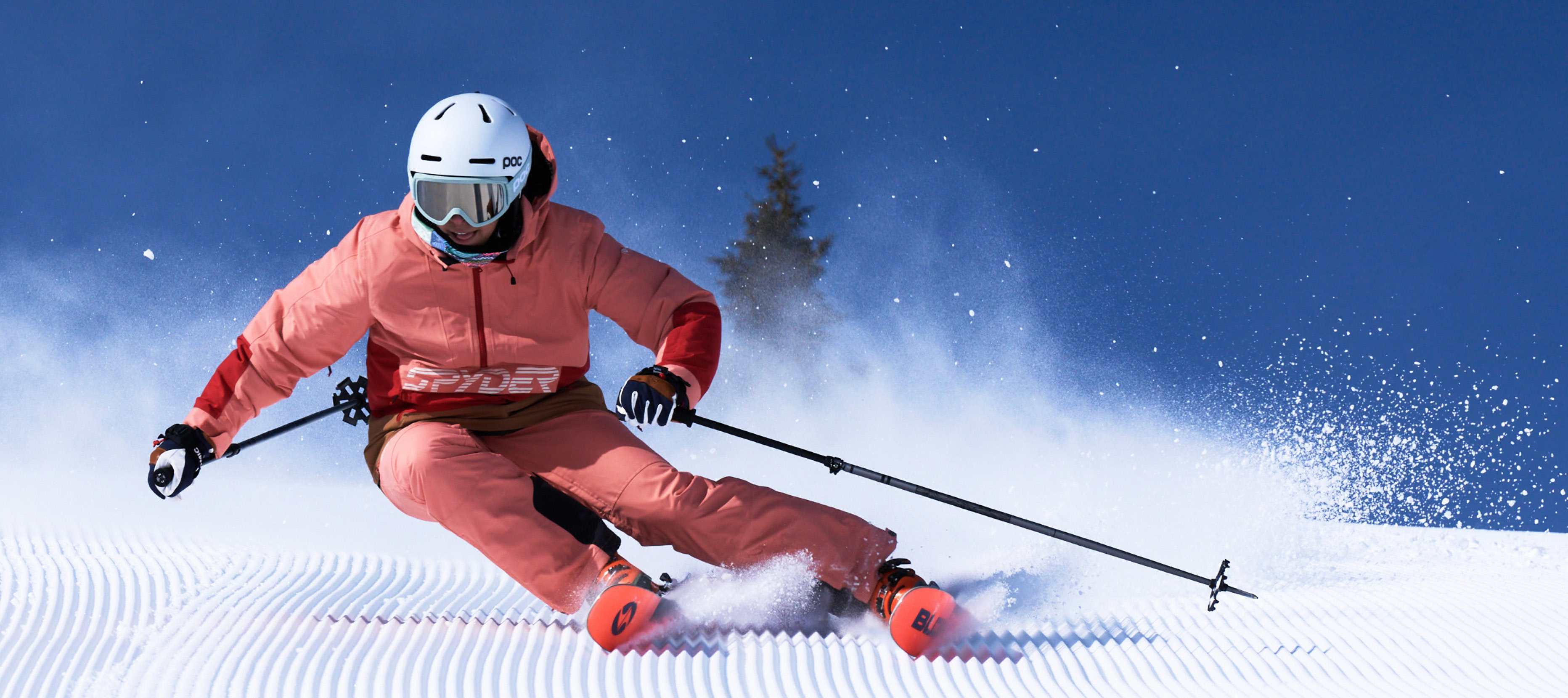
U.S. Ski Team alumna Lauren Samuels
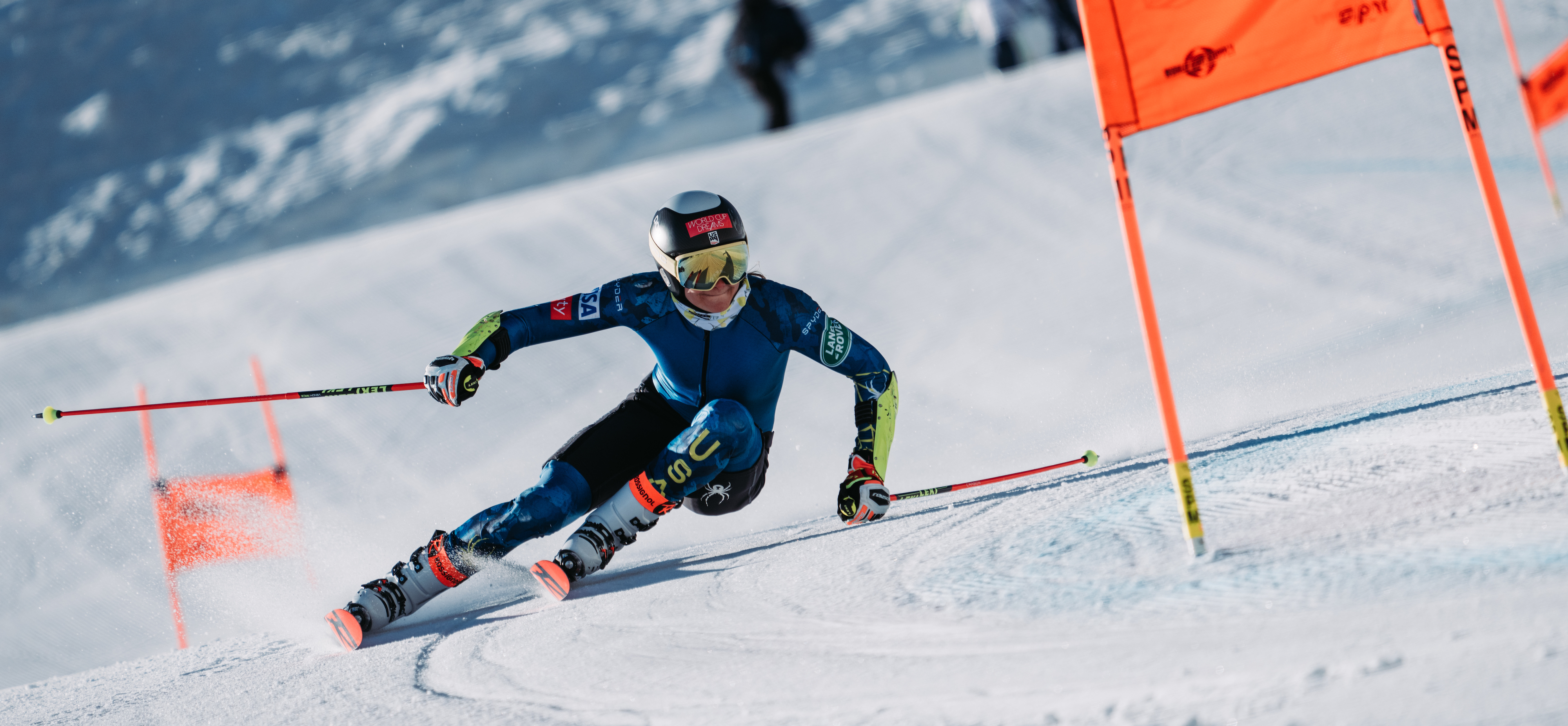
U.S. Ski Team alumna Lauren Samuels carves a sweet arc at a photo shoot at Powder Mountain, shot by the legendary Stan Evans for SKI.

U.S. Ski Team alumna Lauren Samuels and brother Justin Samuels—Dartmouth College Ski Team alumnus and former U.S. Ski & Snowboard employee—went to Powder Mountain in Utah to participate in a photoshoot with Olympian and X Games standout Errol Kerr, shot by the legendary Stan Evans. As SKI wrote regarding their cover featuring Kerr, "The Cover of Our 2022 Gear Guide is An Important First"...until now, "SKI has never put a Black skier shot by a Black photographer on our cover."

Sierra Shafer, SKI Editor-in-Chief, said in her cover story, 

The cover of the magazine on newsstands and sent to subscribers this week features Olympian and X Games standout Errol Kerr. In many ways, the image looks familiar—SKI has certainly featured its share of skiers gouging formidable trenches into corduroy. But the origin story of this image is unique.

When photographer Stan Evans connected with Kerr and two other skiers for a two-day photo shoot at Utah’s Powder Mountain, it was as standard as any of the hundreds of photoshoots Evans has produced in his 20-plus-year career photographing skiing and snowboarding. It was, however, the first time he’d worked alongside all Black skiers, including Lauren Samuels, the captain of the 2017 NCAA National Championship ski team, and her brother, Justin Samuels.

In fact, it was the first time any of them had been on a ski shoot with another Black skier or photographer—the first time they weren’t, in some way, standing alone. The occasion deserves to be commemorated with this, the cover of our 2022 Gear Guide.

This issue marks a new season in SKI Magazine’s story. With a fresh redesign, new logo, inspired writers, and more, we intend to change what you expect from SKI. We aim to transform what we all think a skier should look like or where a skier should go. By centering and celebrating a broader, more accurate picture of skiing both as we see it now and how we hope to see it in the future, we can be part of protecting the greatest, least important thing in the world: Skiing. (Read More)

In a story entitled "We Can All Learn From the First Ski Shoot Featuring and Shot by BIPOC" that was first published by Outside Business Journal, a partner brand of SKI, Evans poignantly wrote about the project,

This past March, SKI hired me for a stock photo shoot at Utah’s Powder Mountain. In some ways, it was pretty standard—myself and three skiers, knocking off a laundry list of imagery: high speed carving shots, laughing while carrying skis shots, après shots…the usual. On the other hand, it was unlike any photo shoot ever done in the history of skiing.

That’s because all four of us are Black.

I’ve shot skiing and snowboarding for over 20 years, but this was only the second time I’ve done an all-Black shoot. The first was 20 years ago when I organized an all-Black shoot with Keir Dillon, Ahmon Stamps, Damon Morris, and Ben Hinkley for Snowboarder. This time around, as with the first time, what struck me was the conversations we had during our time together. Being on the hill, setting marks and hitting them, creating the imagery—that’s that same as it ever was. But the discussions between shots, the places our conversations went in the evening over a meal—those are not things I’m used to talking about in this context.

Errol Kerr, the former X Games and Olympic skiercross competitor, was one of the skiers with me at Powder Mountain. In his 20 years of skiing, he’d never done a shoot with a single Black person, let alone three of us. We talked about the adversity his family went through to keep him on skis, what we’ve encountered when we’ve pushed for equity in the past, what made us feel bad, what made us feel good. It’s stuff that he’s kept mostly bottled up for his entire career.

The other two skiers were Justin and Lauren Samuels. Lauren, a former member of the U.S. Ski Team development squad, arrived at Powder Mountain in a similar position to a lot of BIPOC outdoor athletes: suddenly in high demand. Prior to the 2018 Winter Olympics, she consulted with and was talent on a Procter & Gamble shoot produced by Wieden + Kennedy. The two of us talked at length about the differences between commercial and editorial production—the pay rates, what’s fair, what’s not; what makes sense from a financial standpoint, and what needs to change from an inclusivity standpoint.

Both Lauren and Justin Samuels participated in a U.S. Ski & Snowboard diversity, equity, and inclusion panel last November entitled "Diversity in Ski Racing: The Athlete Perspective" and are also members of U.S. Ski & Snowboard's Diversity, Equity, and Inclusion Committee

Read the full article at SKIMag.com.

Nyman Progressing at Zermatt, Eyeing Comeback Season

By Ski Racing
September, 15 2021
Steven Nyman Eyes Comeback Season
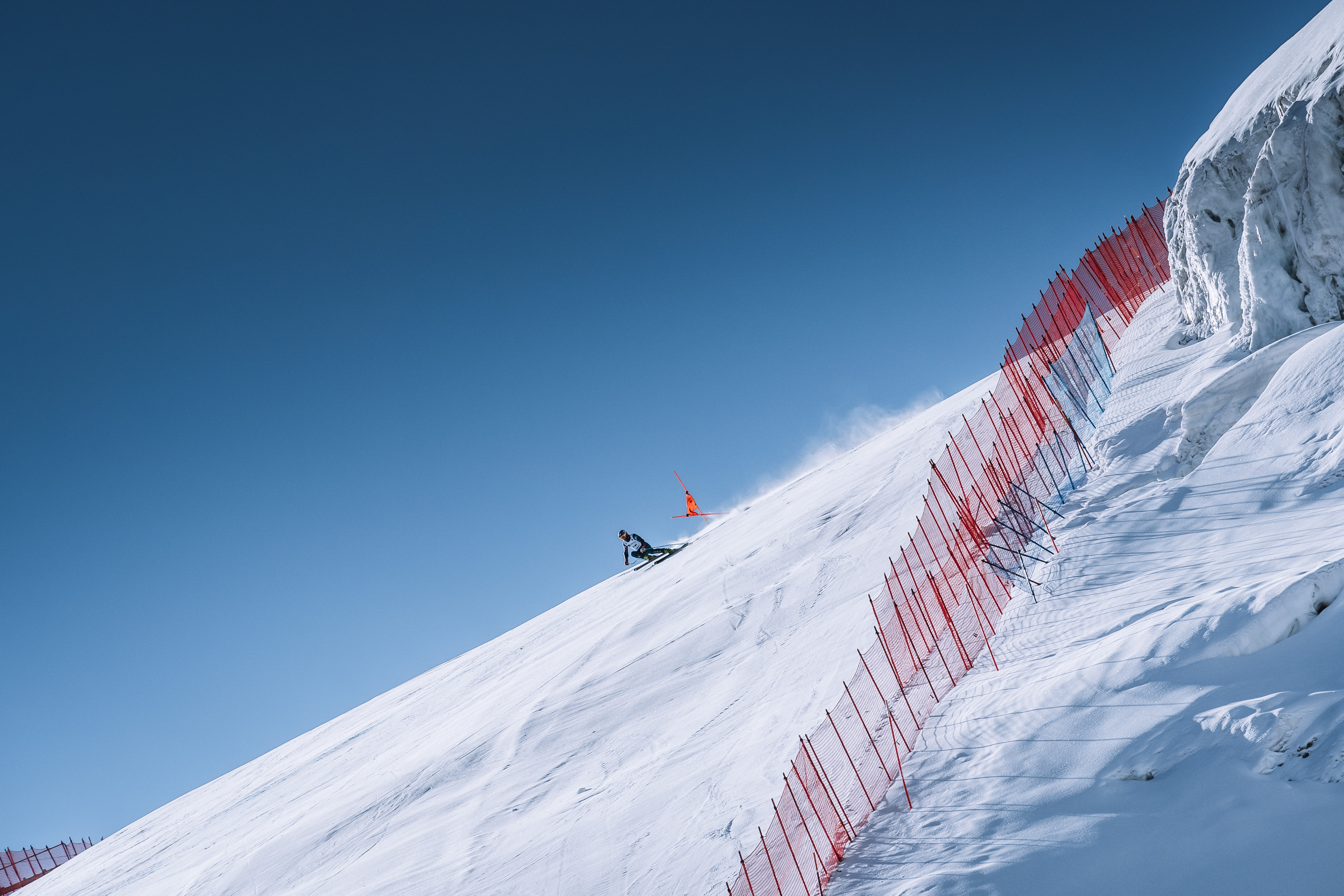
Olympian and "King of the Saslong," Steven Nyman, who suffered a right Achilles tendon injury in August 2020 at Official Training Site Timberline Resort & Ski Area, is currently training with the men's speed team in Zermatt, Switzerland in their second of two late summer camps at the resort. (Marc Amann - U.S. Ski Team)

Olympian and "King of the Saslong," Steven Nyman, who suffered a right Achilles tendon injury in August 2020 at Official Training Site Timberline Resort & Ski Area, is currently training with the men's speed team in Zermatt, Switzerland in their second of two late summer camps at the resort. 

Nyman, who caught up recently with Brian Pinelli in an article for Ski Racing Media, is "is pleased with his progress, still battling to overcome the effects of an Achilles tendon injury suffered at Mt. Hood, Oregon, in August 2020. He concedes, now at age 39 and the father of two daughters, recovery and return to racing speed require far greater patience."


A post shared by Steven Nyman (@steven_nyman)


Pinelli wrote,

“I’m feeling good – the first camp we had great conditions, beautiful sunshine every day, hard snow, a couple days canceled due to wind, but great conditions and was starting to get back into it, but to be honest I was not fast and out of balance,” Nyman tells Ski Racing Media on a call from Zermatt. “Apparently, it takes a lot longer to recover from Achilles injuries at 39, then at 27, or whenever I did it last.

“I had to realign some things, get equipment dialed again, get back up to speed according to the equipment, but once I knocked the rust off things started coming around. I’ve been fast of late – I feel comfortable and have a good setup.

“Physically, I feel great, but there are still many things to work and improve upon, but I’m really happy with the power that I can produce and overall, everything has gone well.”

Read the full article at SkiRacing.com

Ganong Featured in FIS Behind the Scenes

By Megan Harrod
September, 11 2021
Travis Ganong FIS Behind the Scenes
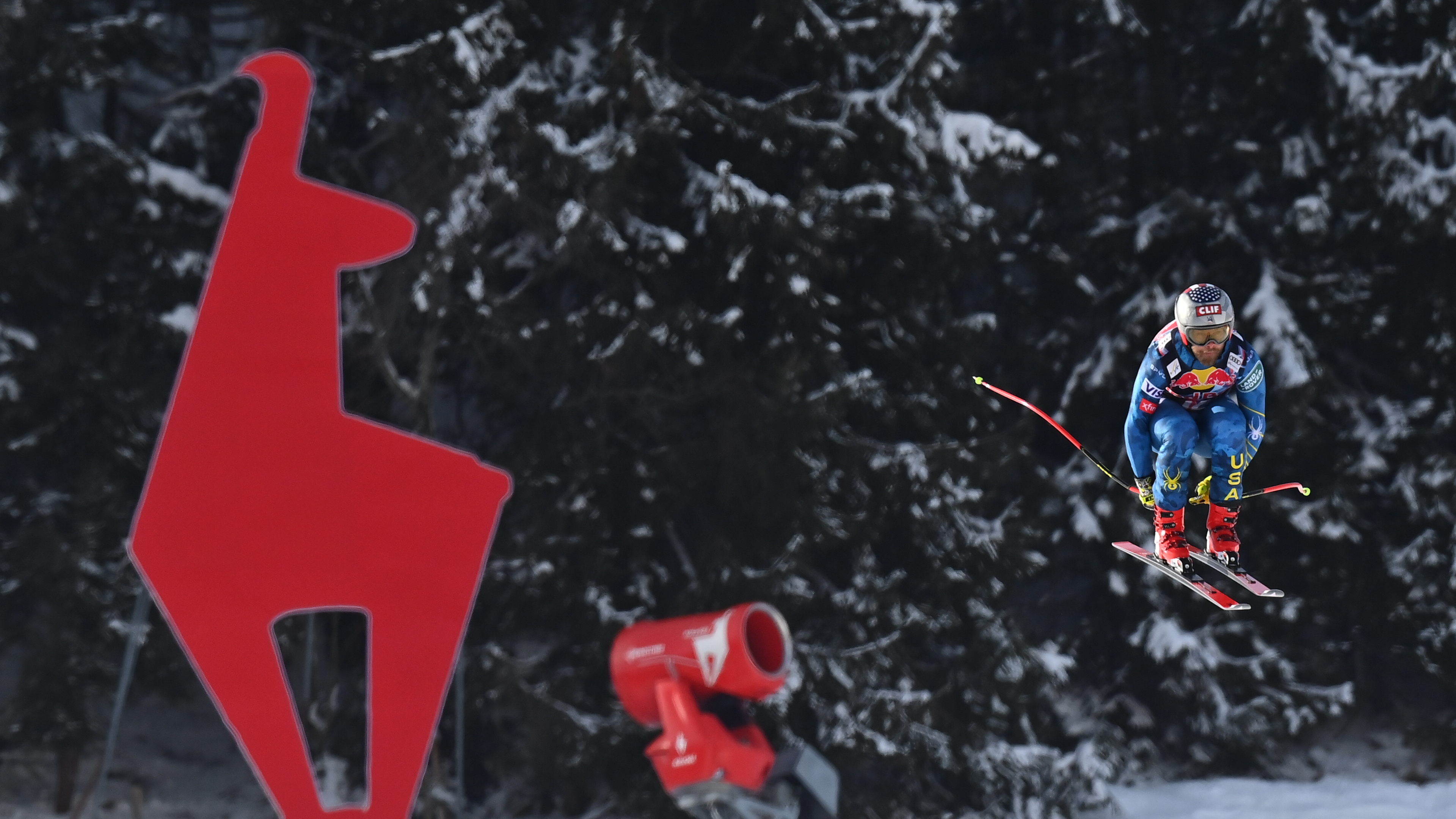
Olympian Travis Ganong, pictured here soaring through the air on the Hahnenkamm in Kitzbuehel, Austria) was featured in the International Ski Federation's most recent Behind the Scenes feature. (Joe Klamar - AFP via Getty Images)

Olympian Travis Ganong was featured in the International Ski Federation's most recent Behind the Scenes feature. “For me, being able to ski for my profession is just a bonus.” As a young kid who grew up skiing basically outside of his back door in Tahoe, speed skier Travis Ganong found his passion in skiing, and that passion is stronger now than ever.
 

In Comeback Season, Merryweather Sustains Broken Leg

By Megan Harrod
September, 11 2021
Alice Merryweather Suffers Leg Break
Olympian speed skier Alice Merryweather crashed while going 80mph during a downhill training day this past Wednesday at Saas-Fee towards the bottom of the course, resulted in a broken tibia and fibula, and a scraped-up and swollen face. (Ryan Mooney - U.S. Ski Team)

*This story was updated on September 22.*

This season was supposed to be Olympian Alice Merryweather's comeback season, after sitting out the 2020-21 season to take the time needed to focus on health and happiness as she pursued intensive treatment for an eating disorder. All signs were pointing towards brighter days, as Merryweather tackled a successful strength and conditioning period as well as return-to-snow camps in Official Training Site Mammoth Mountain, Calif., and then Saas-Fee, Switzerland with many bright moments both on and off the mountain with her teammates. She was skiing strong, showing her teammates, coaches, competitors—and most importantly, herself—how far she had come the last 12 months...and just how much joy she had found in skiing again. 


And then, it happened. A crash while going 80mph during a downhill training day this past Wednesday at Saas-Fee towards the bottom of the course, resulted in a broken tibia and fibula, and a scraped-up and swollen face. However, her big heart and brave soul was intact. As the helicopter was approaching, Merryweather remained calm despite the situation and the immense pain. Her serviceman (Dušan) commented that he had never seen an athlete in that situation with such bravery and courage. Merryweather was airlifted to a nearby hospital and has already had a successful surgery. 


Merryweather has been through so much in the last year...but she remains confident that she can overcome the upcoming obstacles. "The recovery to come looks a lot different than my last," she commented, "...but if I can rewire my brain I think I can heal some bone and ligaments too," while she thanked everyone for their ongoing support. She was visited by teammates (bearing gifts M&M cookies, a Saas-Fee cow mug with her name on it, stuffed animals, rose quartz crystals, and lots of tears and hugs) coaches, and her physio Torey Anderson...and was well-taken care of the last few days. 

Merryweather will return home to the United States for further evaluation on her knee and join her family and teammate/boyfriend Sam DuPratt (who is himself recovering from a double leg break sustained at Val Gardena, Italy last December) in the coming days. All of our love and healing energy is with her as she enters this next period of recovery. 


Injury Update: September 22

Hustle and Bustle: U.S. Ski Team Makes the Most of Europe Training

By Ski Racing
September, 3 2021
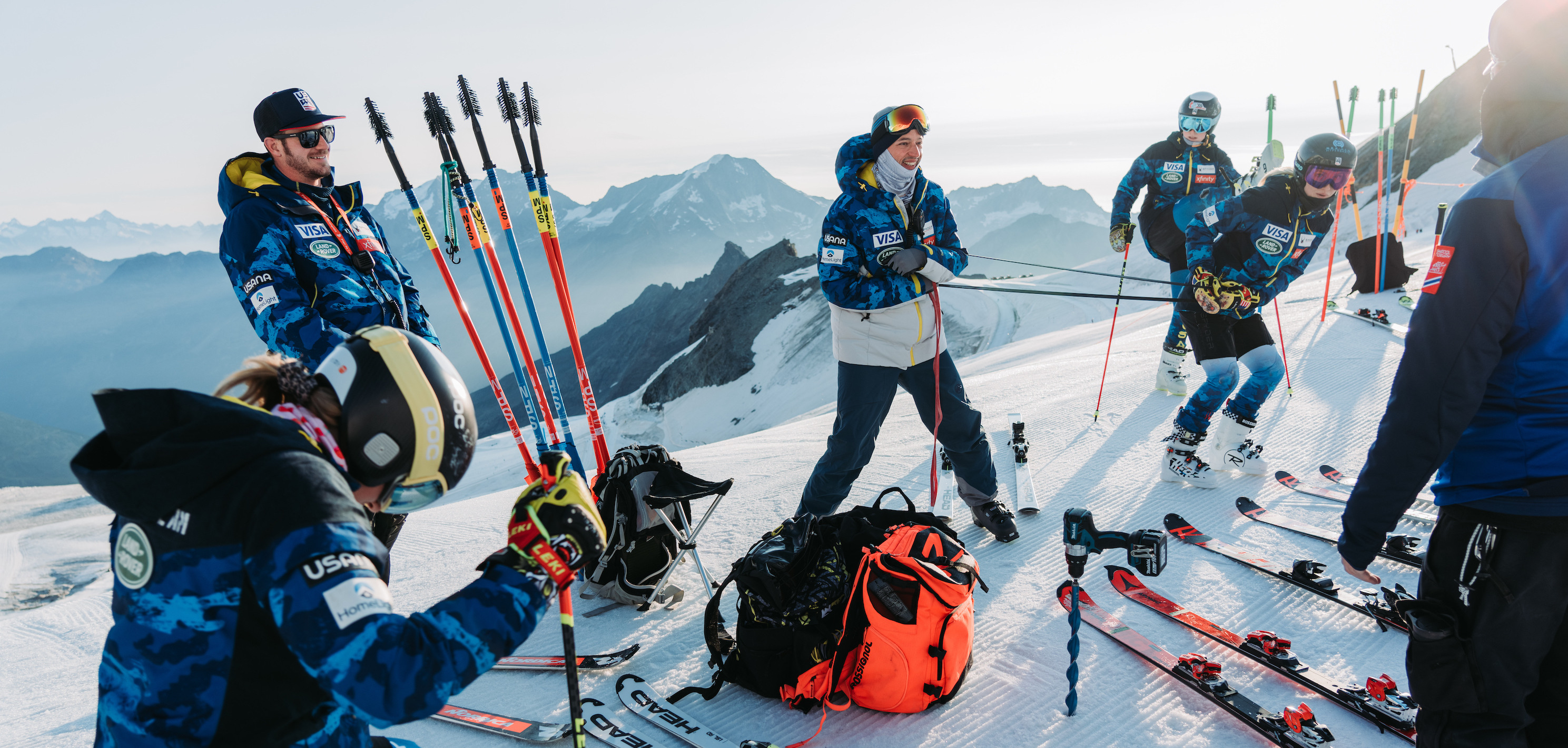
Women's Tech Team Saas-Fee
The women's alpine tech team (including Paula Moltzan, Nina O'Brien, and AJ Hurt) gets ready for a day of training at Saas-Fee, Switzerland at the start. (Ryan Mooney - U.S. Ski Team)

While August and September typically mean travel to the Southern Hemisphere—including locations like New Zealand, Chile, and Argentina—for the U.S. Alpine Ski Team, the Team had to relocate and get creative for the second consecutive year due to COVID-19. Ski Racing recently caught up with Alpine Director Jesse Hunt, Head Men's Speed Coach Randy Pelkey, and two-time Olympic champion Mikaela Shiffrin to see how training is going on the glaciers of Switzerland this summer. 

Ski Racing wrote, 

“This summer’s training plan is very similar to last season’s preparation in terms of volume and training sites,” said Hunt. “We skied a lot in April, May, and June at Squaw Valley, Mammoth and Mount Hood. Now we are training in Europe unless the option to train in Chile becomes available.”

Hunt and the alpine teams are targeting the glaciers that offer the best conditions for this time of year. For World Cup teams, that means Saas Fee and Zermatt, which offer both speed lanes and tech lanes, along with additional venues, such as Stelvio, Hintertux, Soelden, and the indoor facility at Snow Valley. With updated Covid protocols, including vaccinations, regular testing, masking, and social distancing when required, all national teams have traveled to the European glaciers for training alongside the Norwegian, Swedish, and Swiss national teams, to name a few. 

There is a big plus with European training in that most of the athletes across the U.S. Alpine Ski Team are in the same location, which rarely happens for the men and women. Team dinners, hikes, excursions to the Kneipp ice baths, picnics, and more have provided for some solid cross-team bonding experiences. 

Shiffrin shared her camp focus with Ski Racing as well, saying, 

As for her own preparation heading into the all-important Olympic season, Shiffrin said, “I feel like I have some really great skiing and some not-so-consistent skiing, and one of my goals for this camp is to reel in that consistency and mindset that I need not only for training but more importantly for races as well. So aside from simply skiing, that’s a big part of this camp as well for me.”

Read the full article at SkiRacing.com.