Breakpoints

No Retina
Retina
XS Screen (480px)
SM+ Screen
SM Screen (768px)
SM- Screen
MD+ Screen
MD Screen (992px)
MD- Screen
LG+ Screen
LG Screen (1200px)
LG- Screen
XL+ Screen (1600px)

Sixth in Team Relay; Best Men's Relay Result Since 2002 Olympics

By Leann Bentley
February, 15 2026
men's relay
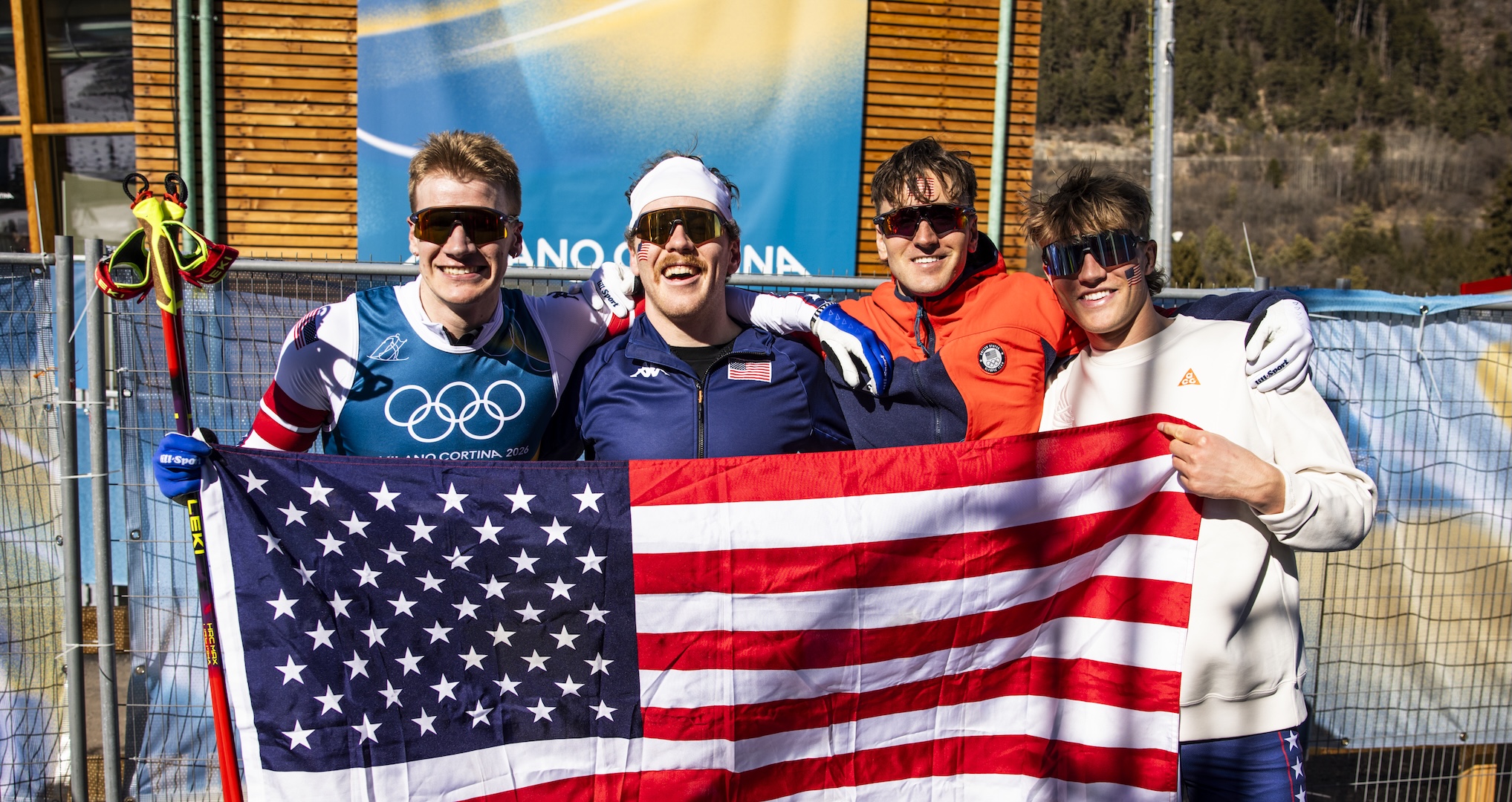
The U.S. men's 4x7.5k relay team. (Gretchen Powers).

The U.S. men did it again, this time, in the 4x7.5k relay. Gus Schumacher, Ben Ogden, Zak Ketterson and John Steel Hagenbuch put together the best Olympic performance in the team relay since the Salt Lake Olympic Winter Games in 2002. In 2002, these men were toddlers. Today, they're racing on the World's stage and making history in the process. 

On the ninth day of the Olympic Winter Games, the men's 4x7.5k lit up the atmosphere at the Tesero cross country stadium in Val di Fiemme, Italy. 10 teams were on the start list today, with four men representing each relay team. 

Olympic silver medalist Ogden led the team in the first leg. Off the line, he was in the lead. In his typical fashion, it was all gas and very little brakes. Trading the lead with Norway, Ogden was comfortably in front and handily controlled the pace throughout the up and down of the classic course. 

"It was awesome," said Ogden, of his race. "I love being the scramble leg of a relay. It's a really fun position to be in, and it's not every day that I get to choose when the pace increases, but today, I got to be that guy, and it was pretty sick!"

Through the two laps of the scramble leg, Ogden came into the lap lane to tag off to teammate Schumacher. With a clean tag, Ogden and Schumacher were keeping the dream alive, sitting in the top. Schumacher skied the majority of his leg near the lead, but Norway began to kick it into their fifth gear. From there, the pack began to string out. Tagging off to the USA's third leg, Hagenbuch, the team sat in fifth, only 15 seconds out from Norway's Martin Lowestrom Nyenget. 

"You had to work for this one," said Schumacher. "Here at the Olympics, you want to do well. Today's race was a more representative result of how I've been feeling. After the handoff from Ben in first place, I knew I had an entire race to ski, so that was on my mind. But it's good to have momentum!" 

Onto the third leg, Hagenbuch, who skied to a 14th place just days ago in the 10k skate, kept contact with the group up the hill, but then lost many on the descent. Working his way through the two laps, he tagged off his teammate Ketterson for the anchor leg. 

"I was where I wanted to be at the top of the climb," said Hagenbuch. "Then I wasn't at the bottom of the climb. And you know, you could be really upset about that in the moment but I was just trying to ski the way I could, and I tried my best!"

Ketterson knew what he had to do in the final leg, and he did it. Across the line, the USA was sixth. Bringing home the best result for the USA men in a team relay since 2002 in Salt Lake City. Norway won the relay, with Johannes Hoesflot Klaebo becoming the most decorated cross country in history, setting a new record for most gold medals won at a Winter Olympics, overtaking Bjorn Daehlier's previous record of eight Olympic gold medals. This is Klaebo's fourth Olympic gold medal in a row. France took home the silver medal and Italy brought home the bronze medal in front of the home crowd. 

"It's an honor to be able to join this relay team," said Ketterson, post-race. "To get handed the task of being the anchor leg at the Olympics, I mean, I think every kid dreams of that chance. I am really proud of the guys for the leg they skied." 

RESULTS
Men

U.S. Coach Harjo Makes History as First Woman to Set an Olympic Alpine Course

By Courtney Harkins - Stifel U.S. Ski Team
February, 15 2026
karin harjo

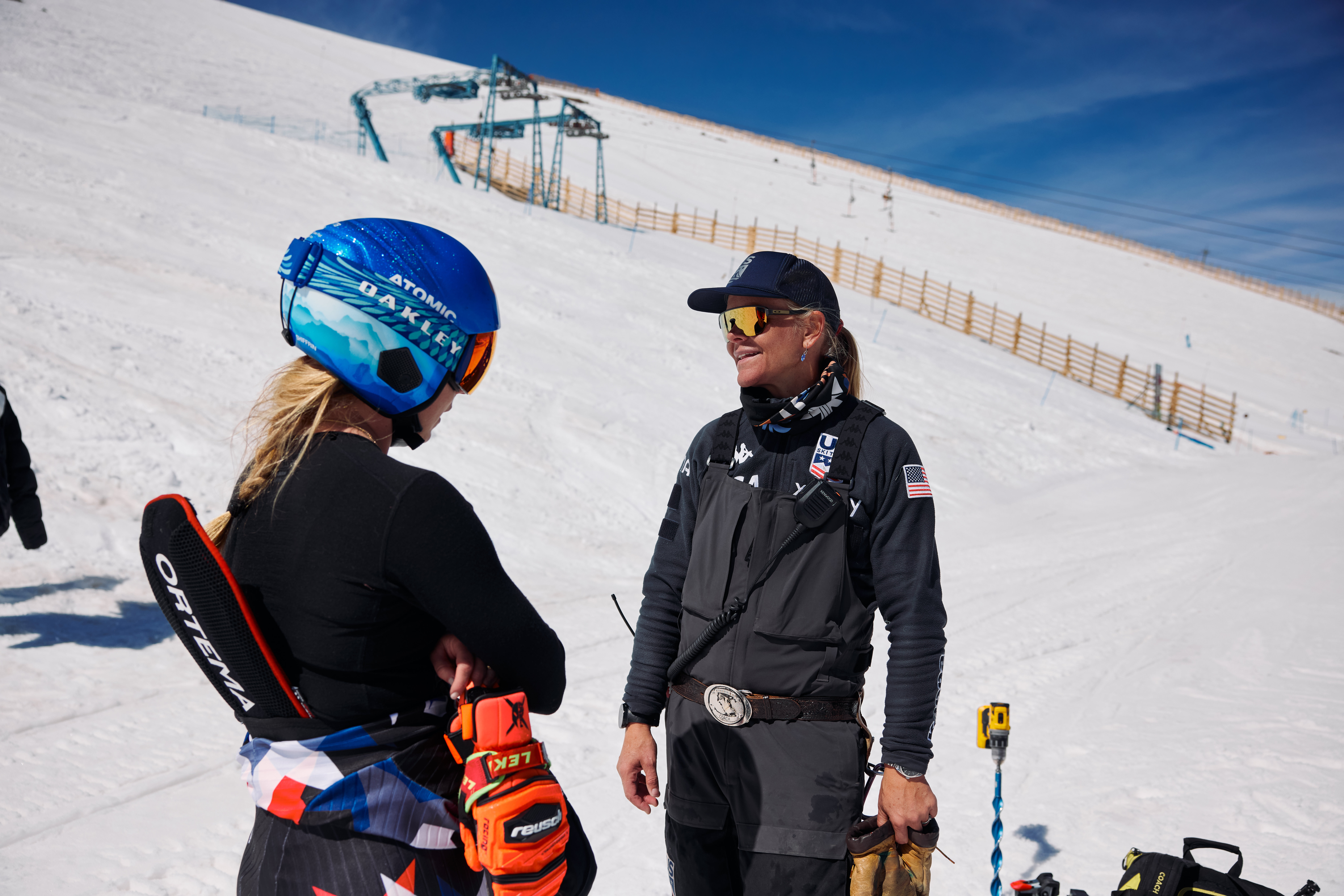
U.S. Ski & Snowboard alpine coach Karin Harjo became the first woman to set a course for an Olympic alpine ski race, setting Sunday’s giant slalom at the 2026 Olympic Winter Games in Cortina. Harjo coaches Olympic champion and winningest skier of all time Mikaela Shiffrin. 

Course setting is one of the most respected roles in alpine racing, determining the rhythm, tempo and technical demands of the race. Harjo’s appointment by the International Ski & Snowboard Federation reflects her deep technical expertise and respect she has earned across the international ski community.

A veteran coach with more than two decades of experience, Harjo has coached at the highest levels of World Cup racing with her resume spanning leadership roles in the U.S. and abroad, including serving as head coach of Alpine Canada’s women’s team before returning to the U.S. to coach Shiffrin in 2023.

“This is for your daughter‘s daughters,” said Harjo. “We’re in 2026 and it’s the first time, but the reason is because of Mikaela. She set out to lift up women in sport, whether it’s competitors, coaches, workers. Through her greatness, she’s providing the opportunity for women to rise and pave a path for everybody behind us.”

In 2016, Harjo became the first woman to set a World Cup slalom course and throughout her career, she has been one of the few women coaching and setting courses regularly on the World Cup circuit. She is widely respected not only for her technical knowledge, but also for her calm, thoughtful leadership style.

“Karin is an exceptional coach and leader whose impact on alpine skiing extends far beyond results,” said Anouk Patty, U.S. Ski & Snowboard Chief of Sport. “Her selection as an Olympic course setter is a testament to her expertise and the respect she commands worldwide. This is a historic moment for our organization and for the sport.”

Shiffrin 11th in Giant Slalom

By U.S. Ski & Snowboard
February, 15 2026
Mikaela Shiffrin

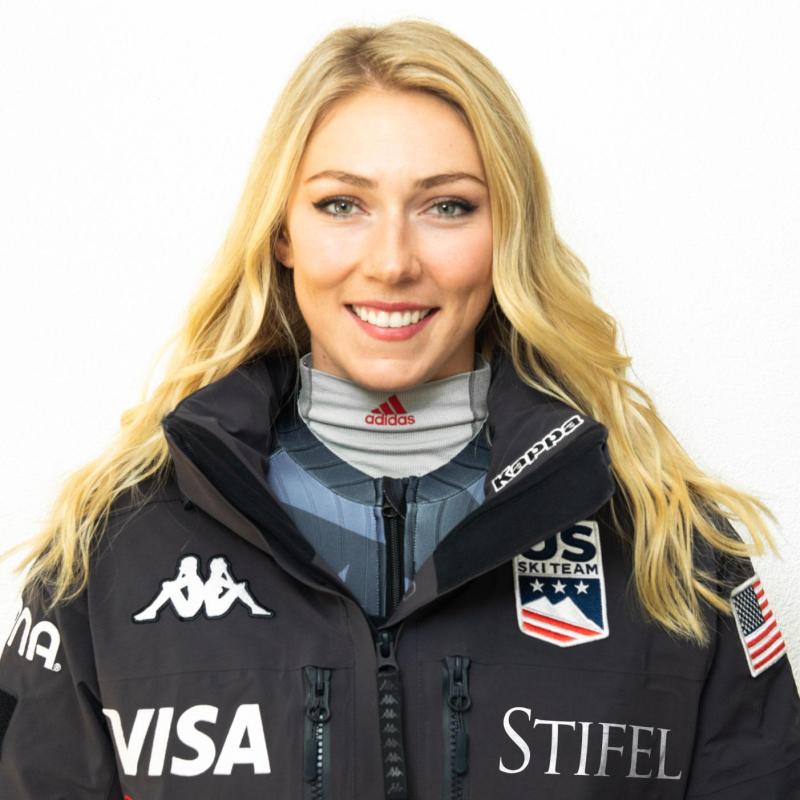
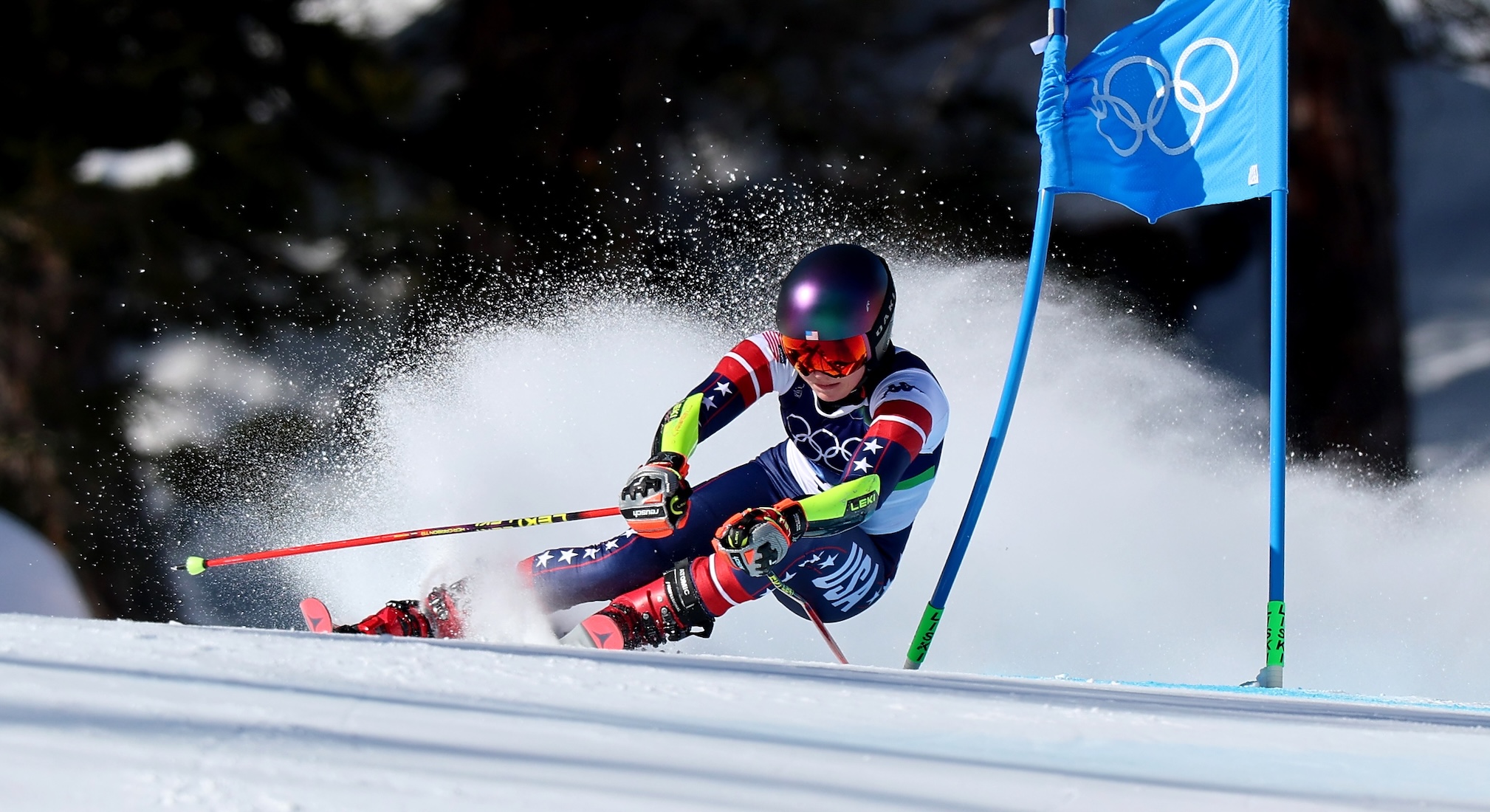
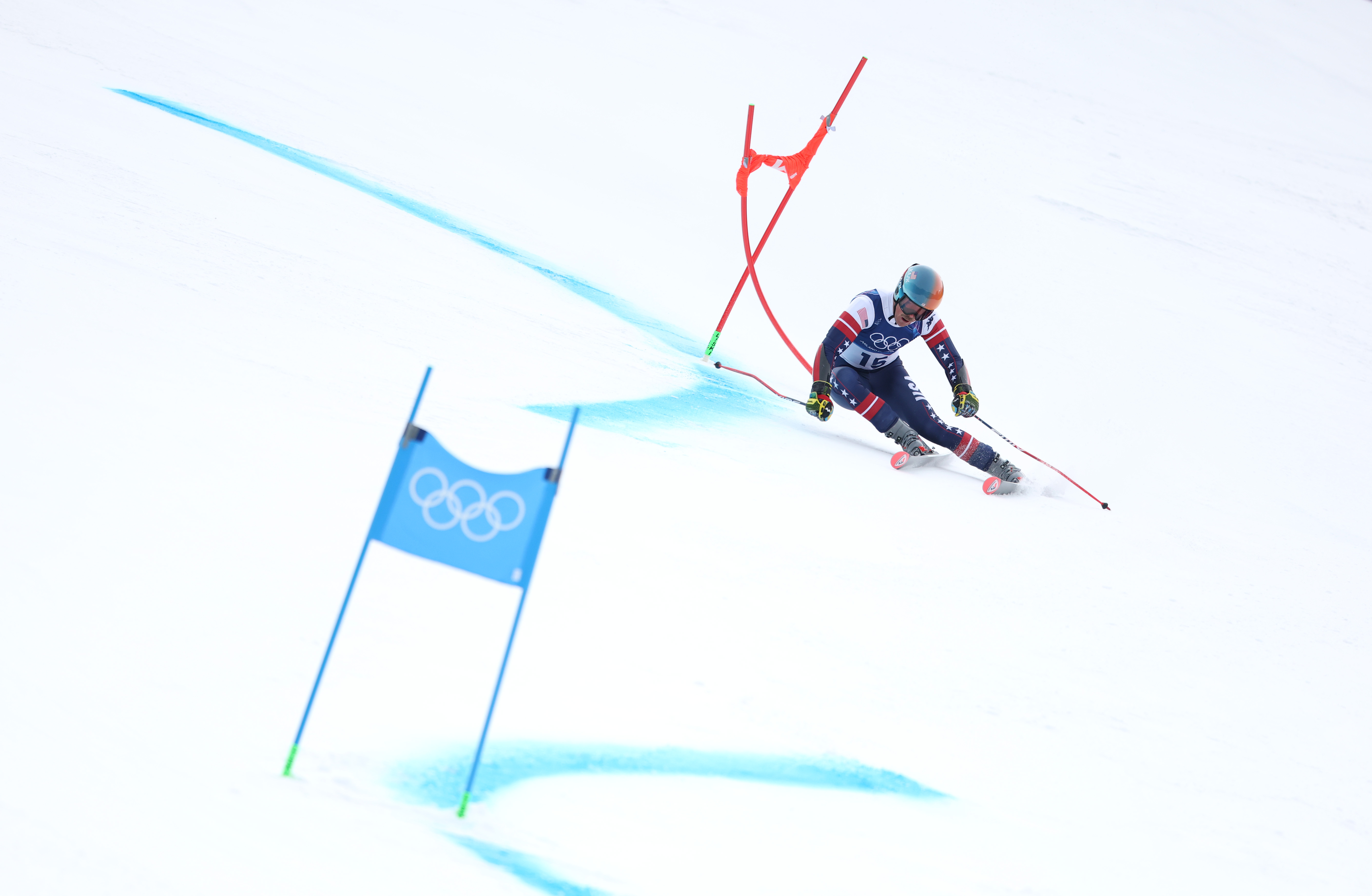
Mikaela Shiffrin led the way for Team USA, finishing 11th in the women’s Olympic giant slalom at Cortina d'Ampezzo, Italy on Sunday. Paula Moltzan was 15th, and Nina O’Brien finished 20th.

"That was like the greatest show of giant slalom skiing that we've had in a really long time," said Shiffrin. "To do it at the Olympics where people actually have eyes on the sport so cool to watch." 

It was another sunny day in the Dolomites with picture-perfect conditions on the Tofane slope. An ideal day for giant slalom. Team USA fans lined the course and were ready to cheer on their favorite skiers. The race turned out to be one of the most thrilling women's races in quite some time. The margins between the second and the 12th were razor-thin. Mere hundreds of seconds came into play. The U.S. women fired on both runs, but in the deep giant slalom field, it would not be enough for a medal. 

"After returning to giant slalom and to racing after my injury last year I felt like there was no hope to be faster," said Shiffrin. "But to be here now, not far from the fastest women, is huge for me so I'm proud of that." 

Team USA teammates Moltzan and O'Brien wanted more from the day as well, but take what they can from the race and will build for the final race on Wednesday. However, O'Brien showed her true giant slalom form, posting the fastest second run time.

"I'm just learning from it, of course I wanted more but I am happy with some turns and will look to ski faster in the slalom," said Moltzan. 

Italy’s Frederica Brignone dominated the race, taking the gold medal in 2 minutes, 13.50 seconds. The 2022 Olympic champion Sara Hector of Sweden and Norway’s Thea Louise Stjernesund tied for the silver medal at 0.74 back. Italy’s Lara Della Mea narrowly missed a medal by just 0.05 seconds, finishing fourth.

"Fede is the kindest, most genuine athlete on tour. This comeback of hers has been incredible, to win two gold medals at home is unreal. She's clearly one of the best year in the world right now," said Moltzan. 

For Brignone, it was her second gold medal of the 2026 Olympic Winter Games as she won the super-G last week in Cortina, just 10 months after suffering a season-ending crash last April.

Next up, the women's slalom is the final alpine event of the 2026 Olympics on Tuesday.

RESULTS
Women’s Olympic giant slalom

Mickel, Walczyk Lead Team USA in Dual Moguls

By Tom Horrocks
February, 15 2026
Charlie Mickel

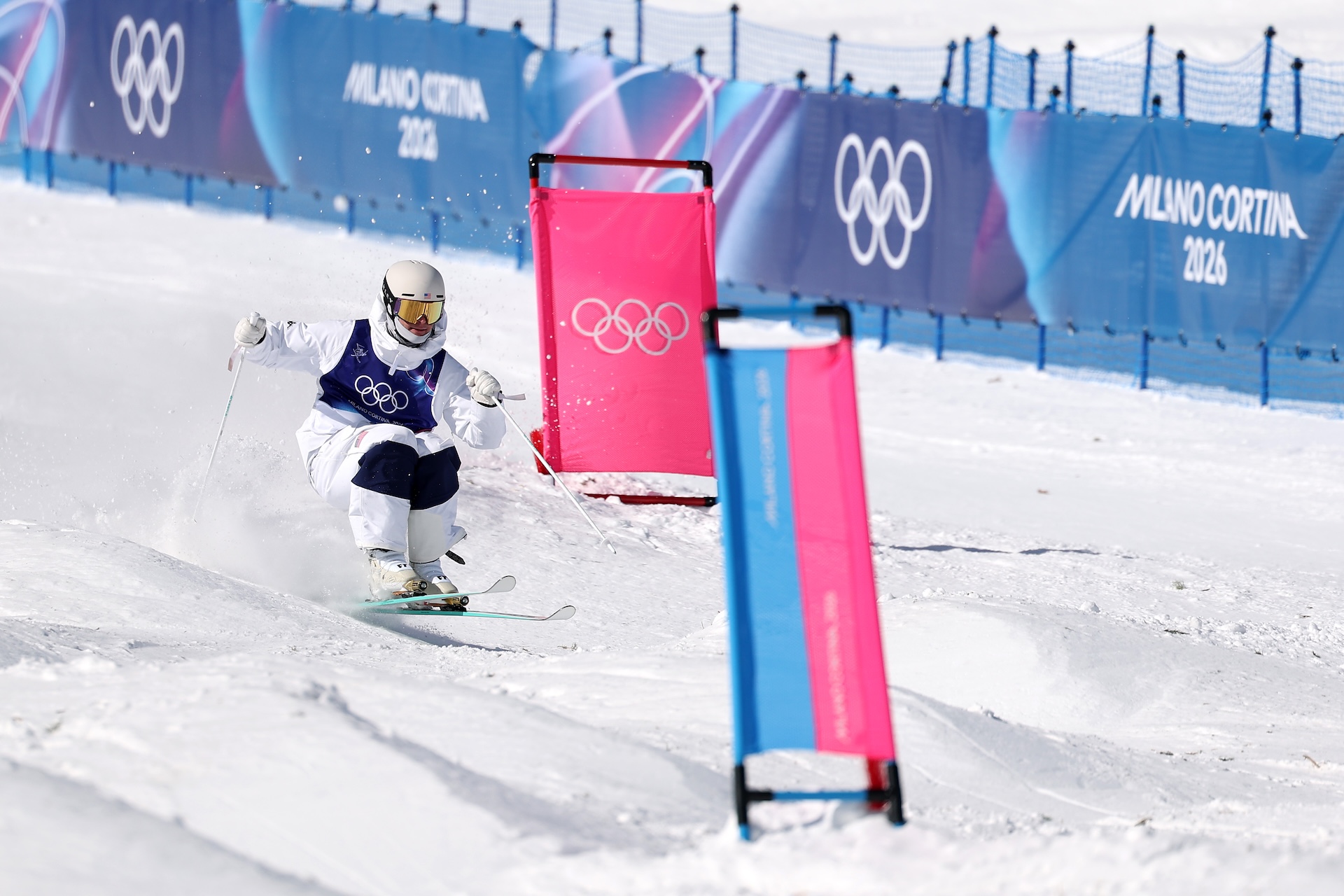
Team USA’s Charlie Mickel finished sixth and Dylan Walczyk was seventh in the inaugural men’s Olympic dual moguls at the Livigno Aerials and Moguls Park Sunday.

Canada’s Mikel Kingsbury, the greatest mogul skier of all time, won Olympic gold - his fifth career Olympic medal - with a solid run that didn’t really matter, as Japan’s Ikuma Horishima blew out in the big final and settled for silver. In the small final, Australia’s Matt Graham took the dual moguls bronze, ousting Japan’s Takuya Shimakawa 20-15.

Mickel’s day started off slowly, but once he stood in the start gate, things turned around for the 21-year-old Park City, Utah, athlete. “All around, I am proud of the way I skied,” Mickel said. “I was quite tired this morning, and honestly, I was a little discouraged from the singles event. So I felt like I started in a bit of a hole and had some rough training runs.

“Before my first dual, I took some time for myself, just to try and get a bit centered,” he added. “I said to myself, ‘I know I can do this. I know that my skiing is capable of being some of the best.’ So I focused on what would lead me to the best runs, and I got pretty close to skiing them.”

In his best run of the day, Mickel ousted Australia’s Cooper Woods, who won the individual moguls Olympic gold medal earlier this week in a tie-breaker with Kingsbury. “That was big for sure…I went into that dual super determined and ready to give it everything I had,” Mickel said. 

In the quarterfinals, Mickel went up against Graham in a tight dual, but he came out on the losing end of the score, 20-15.

Walczyk laid down some solid runs to advance to the quarterfinals, where he came up against Horishima.  “I was super-stoked, and I believed in it,” Walczyk said of his march toward the quarterfinals. “I felt great, at 32 (years old), you don’t always feel alive, so it was nice to get that feeling out there.”

This was Walczyk’s second Olympics, and the first for Mickel, who is already focusing on the 2030 Games.

“Just just coming here and skiing this event it made me realize how much opportunity there is, and the possibilities that I have,” Mickel said. “it was a little bit eye opening coming to the Olympics and seeing like how much spotlight you really get at this event and it it definitely is motivating for me to just try to take every single day as an opportunity to get better from now until the next Games.”

RESULTS
Men’s Olympic dual moguls

Kauf Silver, Lemley Bronze in Olympic Dual Moguls Debut

By Courtney Harkins
February, 14 2026
jaelin kauf and liz lemley silver bronze
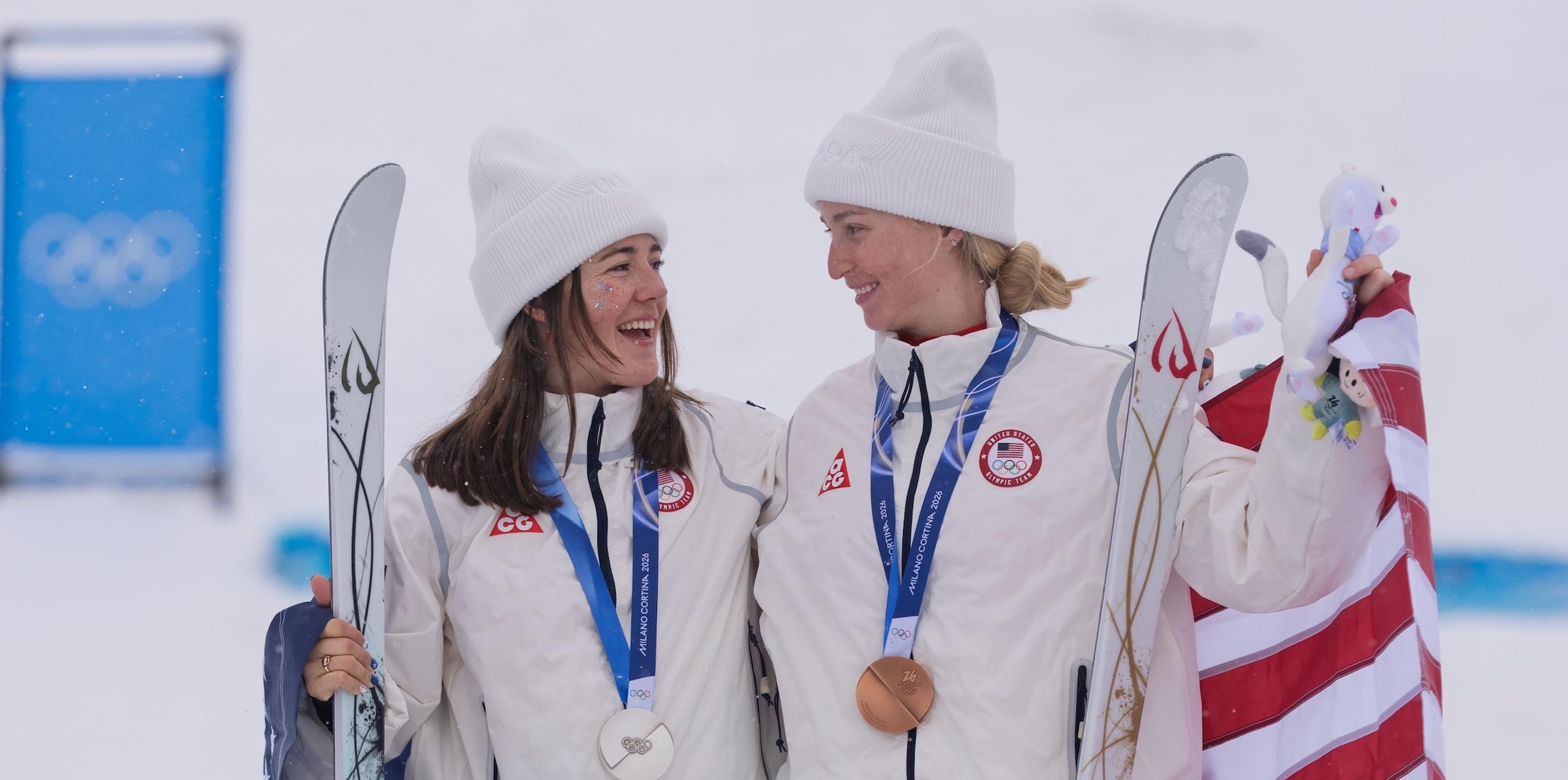
Jaelin Kauf and Liz Lemley takes silver and bronze at the Olympic Games dual moguls.

Jaelin Kauf and Liz Lemley earned silver and bronze, respectively, in the Olympic debut of women’s dual moguls at the Milano Cortina Olympic Winter Games. It was both of their second medals of the Games; Lemley won gold and Kauf silver in the individual moguls.

Dual moguls has long been a fan-favorite event on the World Cup, but Saturday was its official unveiling at the Olympics. The discipline pits athletes against each other on the course with judges selecting the winner based on speed, tricks and turns. The athlete then moves through a bracket system to decide the final winner.

Both Kauf and Lemley had a bye in the first round and then began dominating until the semifinals when they took respective hard crashes. Even with Kauf’s fall, she still moved into the big final, as her competitor also fell and did not finish. Lemley went to the small final to fight for bronze.

In the big final, Kauf battled Jakara Anthony of Australia, who has dominated the sport over the past few seasons. Anthony proved victorious, with Kauf taking home her second silver medal of the Games and third of her career. The medal marks her as the most successful U.S. Olympic moguls skier of all time. 

“To walk away with the first ever silver medal from dual moguls at the Olympics is pretty special,” said Kauf. “And yeah, three time Olympic medalist isn't bad either. Not bad at all.”

Lemley went up against Perrine Laffont of France in the small final and it was a head-to-head duel that came down to the judges’ call at the end. Lemley had finished behind Laffont in time, but her high degree of difficulty and turn execution put her on top to take the bronze medal. 

“It shows all the hard work I put in from my ACL rehab,” said Lemley. “I’m super proud of myself.”

Tess Johnson and Olivia Giaccio also had a great day, but fell just short of the medals in fifth and sixth place.

With two more medals on Saturday, the moguls women wrap up an incredibly successful Olympics with four medals coming from Kauf and Lemley — a testament to years of development and a strong team culture built around excellence and resilience.

The men compete in dual moguls next on Sunday. 

RESULTS
Women’s Olympic dual moguls

USA Women's Relay Team Fifth; Ties Best-Ever Olympic Team Relay Result

By Leann Bentley
February, 14 2026
team relay
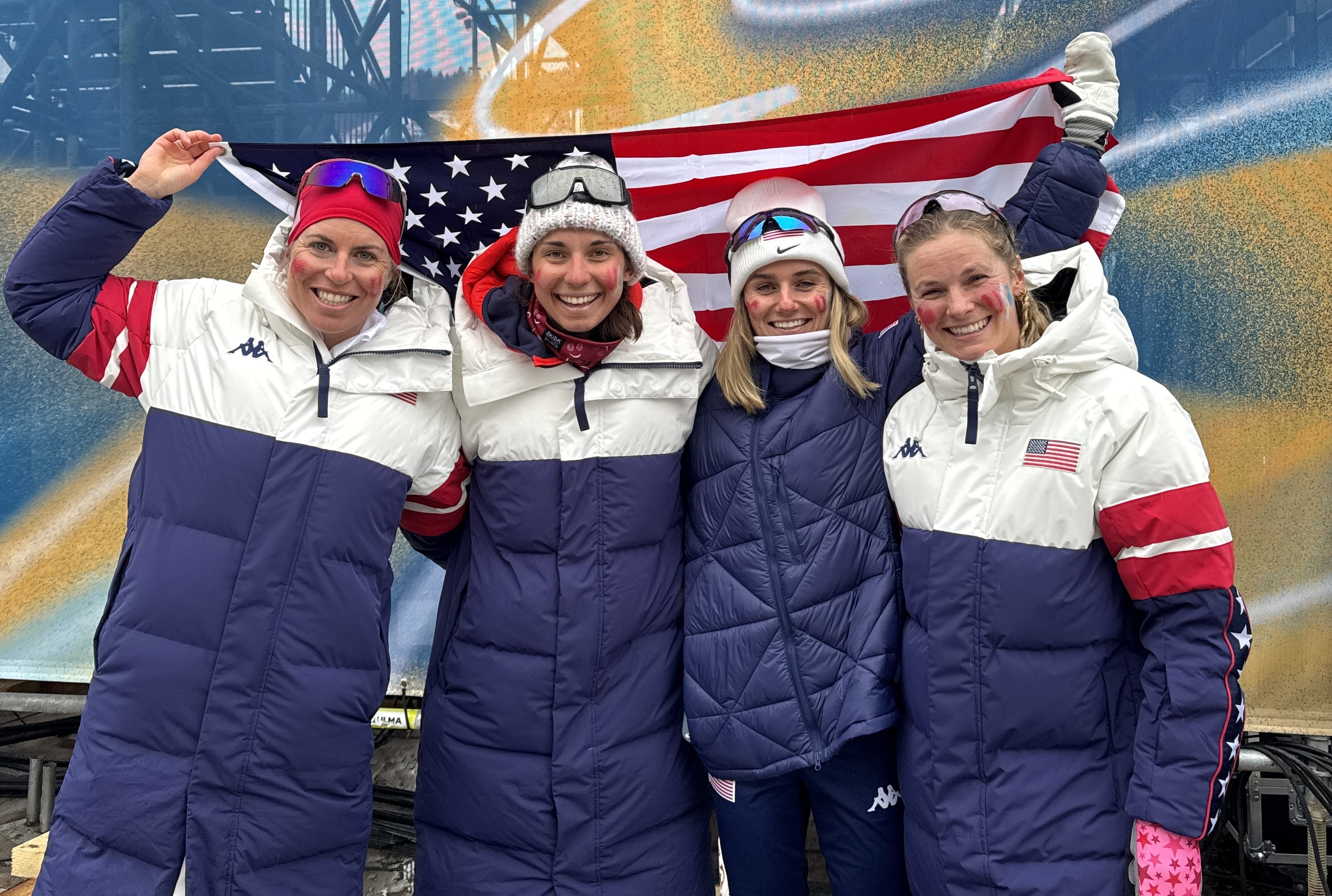
(Left to right) Rosie Brennan, Julia Kern, Novie McCabe, Jessie Diggins.

In a team relay marked by upsets, broken skis, crashes, celebration and heartbreak, the four women representing Team USA in the 4x7.5k relay crossed the finish line in fifth place, tying the best Olympic relay finish in program history. The 2026 relay team consisted of Jessie Diggins, Rosie Brennan, Julia Kern and Novie McCabe.

It was a wet day at the Tesero cross-country venue, with weather conditions far from ideal for skiing. Rain, warm temperatures and cloud cover left the course in rough shape, yet the race went on.

"It was surfing snow," said Kern after the race. "You just gotta ride the slush."

But these conditions are something the athletes are used to. "The whole last month has been like this, including last year at Trondheim World Champs. We are unfortunately seeing more and more of these conditions, but also, snow can be different each day. We all stayed calm and collected, and I think that was the key to navigating it well."

Kern led off for the U.S., skiing the classic leg. Knowing the course would break down quickly, the task was simply to stay composed. Over two laps, Kern remained in the lead pack, maintaining contact with the leaders (Sweden at the time) before chaos unfolded.

On the second lap, Kern tagged cleanly to Brennan, but turmoil struck the front of the race. Ebba Andersson of Sweden received a clean tag from teammate Linn Svahn and crashed minutes into her leg. She recovered, but shortly after, on a downhill, her ski caught and she tumbled forward, completing a front flip, breaking the binding clean off. Andersson skied on one ski downhill until receiving a replacement, and although no other teams were involved, Sweden dropped handidly from the lead. At that time, Norway took off and never looked back. 

As often happens in relays, no one gave up. Brennan skied a strong leg and handed off to McCabe in fifth place. McCabe’s first lap was steady on firmer snow, but conditions deteriorated on her second lap. Despite that, she surged, gaining over 40 seconds before tagging Diggins for the anchor leg. 

"Today was tough, but I don't think I had as bad as conditions as Jessie did. I noticed on my second lap around, the corners were way sketchier, so for me, the conditions were pretty decent and I was happy with how I skied it. I gave it my all and I tried my best."

Diggins dug deep, battling for every second and giving the team a chance at the elusive Olympic relay podium.

The U.S. has never won a medal in a team relay at a major championship. Today, they were within reach. Finishing 1:52.2 behind the winners, the U.S. women tied their best Olympic result, finishing fifth. Sweden rebounded to take second, Norway won gold, and Finland finished third. Aside from the results, this was Diggins' fourth Olympic relay team and 12th major-championship relay team. 

"I went out hard and tried to be calm and deliberate and especially careful on the downhills because I knew that a really good crash was the one way to make sure that things aren't possible," said Diggins. "But I was just thinking, 'you never know' and trying to go out really hard and see what I could do. It wasn't quite enough, but at the same time, you just have to go out believing and give the best chance for your team and every single one of these girls went and skied their heart out, so I wanted to go and do the same thing."

McCabe, who made up an incredible 45-seconds on her skate lap, dug deep today. "Today was tough, but I don't think I had as bad as conditions as Jessie did. I noticed on my second lap around, the corners were way sketchier, so for me, the conditions were pretty decent and I was happy with how I skied it. I gave it my all and I tried my best."

"It was wet, sloppy and a little chaotic," said Brennan. "The downhills were scary, deep snow. But today, my focus was on skiing my best 7.5k possible. Ideally, latch onto some people and see what I had in me and I feel like I did an OK job!"

Though just off the podium, the performance featured strong skiing, fast skis and smart tactics. Now, the men get their chance tomorrow.

RESULTS
Women

Radamus Leads Team USA in Giant Slalom

By Sierra Ryder
February, 14 2026
riv
River Radamus races at his second Olympic Winter Games. (Getty Images)

In Saturday’s men’s giant slalom in Bormio, Italy Team USA’s River Radamus led the way for the men’s team in 17th place, and first-time Olympian Ryder Sarchett landed 25th. 

“It's a tough business,” said Radamus. “I devote my entire life to standing on that podium knowing full well that the odds are against me so it's difficult on a day like this.” 

It was not a typical race day for the field of mostly World Cup racers. The snow was uncharacteristically soft, with spring-like conditions instead of the typical ice and firm snow skiers are used to. On top of that, the weather fluctuated greatly with snow, rain and more coming in and out throughout the day. That meant the race would be a test for who could adapt to the changing conditions and find speed best, especially with the challenging visibility. 

Team USA athlete River Radamus was the top-seeded American in the discipline. His World Cup season has been a mix of great runs followed by races where things did not click. However, Radamus had his sights set on a big day in the giant slalom. He pushed the best he could on the first run but did not find the rhythm or speed and would end up 12th across the line, and ultimately 17th in the race. Not the finish he was hoping for but he will learn and move on to the remainder of the World Cup season. 

“It’s a blessing to take part in this and it’s a blessing to be able to dream and to be able to try.,” said Radamus. “I'm glad that I tried. I wish I had the best skiing to be on that podium, but I don't have a lot of regrets.” 

First-time Olympian Ryder Sarchett also struggled to find speed on the first run but found a better groove in run two, moving up a few spots to 25th place. He can go home knowing he showed some good turns at his first games. 

“To be able to do this at 22 I'm really stoked and I think it brings a lot of confidence into my next Olympics hopefully,” said Sarchett. “I had some great turns on the second run. I was very disappointed with the first run and happy with a better run.” 

The big story of the day was Brazil’s Lucas Pinheiro Braathen who secured gold - the first winter Olympics medal for the country. In silver and bronze were Swiss skiers Marco Odermatt and Loic Meillard. 

There is one final Olympic race for the men, the slalom, on February 16th.

RESULTS
Men's giant slalom 

Three Americans in Men's Snowboard Halfpipe Final; Pates Leads the Way in Eighth

By Sadie Texer - Hydro Flask U.S. Snowboard Team
February, 13 2026
Chase Josey

The men's snowboard halfpipe final went down Friday night, featuring some of the highest-level riding ever seen in an Olympic contest. Team USA sent three men to the finals, with Jake Pates leading the way in eighth place. Alessandro Barbieri was 10th and Chase Josey 11th. 

It was a crisp, cold night in Livigno, Italy, with thousands of fans crowding the bottom of the pipe, including hundreds of family members, friends, teammates and athletes from other sports. Heading into the evening, the sentiment around the venue was that this event would feature the highest level of riding the Olympics has ever seen - the athletes felt it, the crowd felt it and the world was ready. 

American Jake Pates was the first to drop in the 12 man final and set the tone off early, lacing together an impressive run that included a massive cab triple cork to earn a 77.50. His score held strong throughout the contest and ultimately secured eighth place, matching Pates’ previous Olympic result back in 2018.

Teammate and three-time Olympian Chase Josey was next to drop but couldn’t put together a full pull on his first attempt. Josey’s veteran composure came into play as he stomped his second run clean in front of friends and family cheering him on in the finish. The judges awarded the 'king of switch' a 70.25, good enough for 11th place.

Coming into the final sitting in fourth place, Olympic rookie Alessandro Barbieri stared down the pipe hoping to put on a show for his crew of Italian relatives in attendance. The 17 year old, who became the first American to land a triple in halfpipe competition just last month in Aspen, launched into his second attempt determined to put it down clean after falling on his first run. Despite a full pull, the judges awarded Barbieri with a 75.00 that earned “The Italian Stallion” 10th place in his Olympic debut.

In arguably the most progressive halfpipe final the snowboarding world has ever seen, Japan’s Yuto Totsuka bested Australia’s Scotty James for the top spot on the podium. James took home the silver and Japan’s Ryusei Yamada the bronze.

Results

Hagenbuch Leads Americans; 14th in 10k Skate

By U.S. Ski & Snowboard
February, 13 2026
John Steel Hagenbuch
John Steel Hagenbuch races in the 10k skate in the 2026 Olympic Winter Games. (NordicFocus)

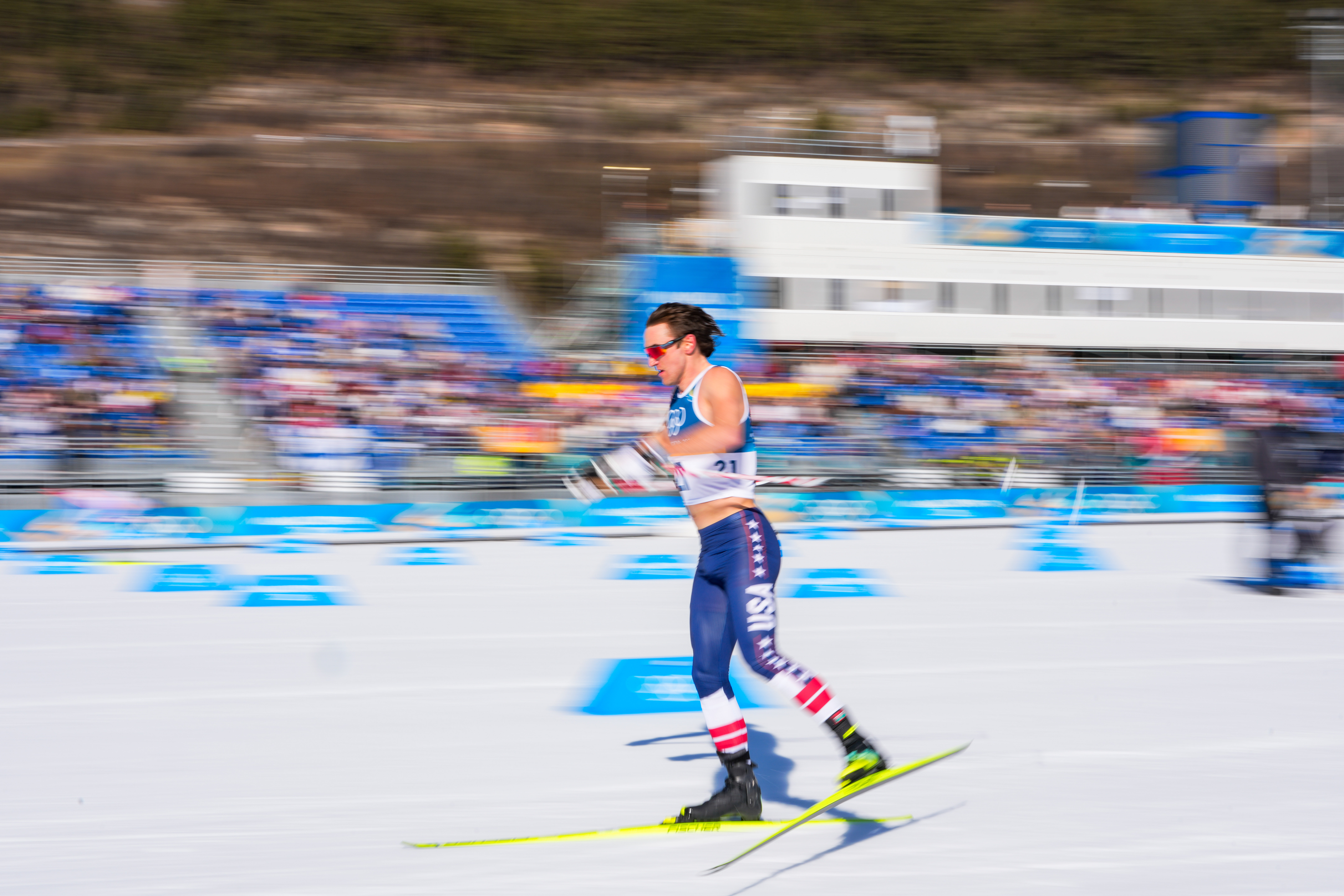
John Steel Hagenbuch led the American men in the Olympic 10k skate, finishing 14th despite taking a wrong turn out of the start. This was Steel Hagenbuch's first Olympic start. Zanden McMullen, Zak Ketterson and Gus Schumacher also represented Team USA in Italy. 

On the warmest day of the Games yet, athletes lined up for the individual start 10k skate with nothing to lose. One hundred and eleven athletes from around the world were represented and every 15 seconds, a new skier was off to tackle the technical, demanding course that offered little to no rest. First out of the start for the USA was Steel Hagenbuch. Unfortunately, taking a left instead of right led him to lose a few seconds, but he quickly realized his mistake, turned around, and got back on track. From there, he locked in, setting a strong pace and only looking forward. 

"I took a wrong turn, slammed on the brakes, turned around, and got on the right track," said Steel Hagenbuch. "I made a mistake, but I was more just proud of letting it go. I mean, when you mess up like that on the highest stage, you have nothing left to lose. I just sent it, was skiing really fast, so I knew I needed to keep pushing. I am not upset. I tried as hard as I could and pushed myself to the absolute limit. I have so many friends and family here cheering, and it's just a beautiful day... It's hard to be upset on a day like this and be with your team and represent the United States on the highest stage." 

"It was really hard," said McMullen. "This course is... There is just no rest. It's just 'working, working, working' and my goal was to pace it with that in mind, but I still think I went out a little too hot in certain spots."

Through the splits, the top of the field was owned by Norway, with two-time gold medalist (of just these Games) Johannes Hoesflot Klaebo battling it out with teammate Einar Hedegart, Harald Oestberg Amundsen and the Frenchman, Mathis Desloges, who claimed silver just days before in the men's skiathlon. Halfway through, Hedegart was in second place by 5.2 seconds. For the Americans, Ketterson was in 18th, 41 seconds out. 

Fast-forward to the final kilometer, Hagenbuch was still leading for the team, just 57 seconds off the lead. Hedegart was beating Klaebo, looking to dethrone the king from his third straight gold medal, but faded in the last kilometer. As the race wrapped up, it was Klaebo who came out golden, with his first 10k skate victory and his third straight Olympic gold medal. 

Steel Hagenbuch was 14th in his Olympic debut, McMullen 32nd, Ketterson 38th and Schumacher 39th. Desloges of France claimed his second Olympic silver medal and Hedegart was third. 

Tomorrow is the women's 4x7.5k mixed team relay, with two athletes racing classic legs, and two racing skate legs. 

RESULTS
Men's Olympic 10k

Thelen Seventh in Olympic Final

By Sadie Texer - Hydro Flask U.S. Snowboard Team
February, 13 2026
Faye Thelen

Under bluebird skies and in front of an electric crowd, five-time Olympian Faye Thelen raced to seventh place in a stacked women’s snowboard cross Olympic final. Her teammates, including two-time Olympian Stacy Gaskill and Olympic rookies Hanna Percy and Brianna Schnorrbusch, all finished the day inside the top-20, taking 14th, 28th and 19th respectively.

After a relatively disappointing seeding time that placed her 21st in qualifications, Thelen worked her way up through the heats all the way to the quarterfinals, where she joined Gaskill for a chance in the top eight. The two Olympic vets were neck and neck throughout most of the race, but Thelen ultimately came out on top, knocking Gaskill out for the day.

Gaskill, an extremely close family friend of Thelen, took the result in stride, noting after the race that “Faye was racing in what may be her last Olympics and in front of her whole family, which is pretty special. If anyone had to beat me to the line, I’m glad it was her. She deserves to be in the semifinal more than anyone I know.”

Thelen, who decided to come back and attempt to make her fifth Olympics just six weeks postpartum, had her entire family at the bottom cheering her on, including her two young children- 2-year-old Theo and 6-month-old Scarlett.

“Being so recently postpartum I’ve had a lot of fear and up until this moment fear was holding me back. But showing up here and being able to put all of that fear aside and just have fun snowboarding or the first time in a while, it just felt really good.”

Olympic rookies Percy and Schnorrbush had great seeding runs at the top of the day, but early tough heats ended their chances of a spot on the podium. The two walk away with valuable experience in a sport where reps play a huge role.

“I’m just grateful to be here,” said Schnorrbusch. “I had an incredibly tough heat and just to be in the mix with those girls feels great. I’ve never had this many people watch my race, this whole experience has been amazing.”

“I’m definitely leaving here with a lot of positives,” Percy continued. I’m so impressed with all of my teammates, especially Faye. Her two kids are here watching and I couldn’t be happier for her.”

Australia’s Josie Baff stood atop the podium with the gold medal, Czechia’s Eva Adamczyková took silver and Italy’s Michela Moioli earned the bronze.

Snowboard cross action continues at the 2026 Olympic Winter Games with the mixed team event on Feb. 15th.

RESULTS
Women's snowboard cross